If you’ve been following us for a while, you’ll likely already know how to spot obvious, visible signs of mould in your home.
The problem is that mould is great at playing hide and seek in places that you might not even consider. It hides anywhere dark that could potentially be damp, like behind the fridge, within your air conditioning or heating system, and under floorboards.
The issue is that you can’t just sweep mould under the proverbial rug (where it may already be hiding), so the old saying “out of sight, out of mind” really doesn’t apply here because the health & well-being of you and your family is at stake.
The good news is that mould and your home both send warnings that there may be a problem. You just need to know what you’re looking for.
Here are 8 common signs of a hidden mould problem:
A constant musty smell
The main red flag to look out for is the smell. Mould has a distinctive array of unpleasant odours that are caused by MVOCs (Microbial volatile organic compounds).
If you’re in a room in your home and you constantly smell a musty, earthy, sour or damp aroma, it’s highly possible that you have a mould problem which you need to investigate - covering it up with air fresheners won’t make the problem go away!
Regular illness
When you or your kids are getting ill on a regular basis, it’s easy to blame the kids bringing it home from school, or someone sneezing on the tube. Whilst illness does spread quickly in confined spaces, if it feels like you’re always ill, it could be mould.
Look out for hayfever-like symptoms such as sneezing and coughing, breathing difficulties and runny noses, along with itching and rashes.
If you find that your symptoms clear up when you’re away from home, like on holiday, or spending time at a friend’s house, it’s highly likely you have a mould problem.
Water stains
Have you ever noticed yellowing on the ceilings, particularly if you live in an older house? If you have, it’s easy to dismiss it as just being part of the character of an old house, when in fact it’s a telltale sign of a water leak.
Even if it doesn’t feel damp right now, it could be a sign that mould has already grown and could be spreading between the upper level and your ceiling.
Peeling or bubbling wallpaper
Not even your walls are safe from mould growing, although it’s more likely to grow on walls around windows and doors.
If you notice your wallpaper looks raised, or starts peeling at the seams, it could be that mould is growing from moisture trapped between the wallpaper and the walls.
Warping wooden features
Whilst wood is very sturdy, wood getting damp or wet can prove the perfect breeding ground for mould and can bow or warp as a result of it.
Wood absorbs moisture, and long exposure to damp can cause it to swell, which could be a sign of a mould problem.
We’d recommend checking floorboards, as well as wooden cabinets that are flush against walls, as well as wooden beams and skirting boards.
Heavy condensation
Condensation on the inside of windows is fairly normal in winter when windows are closed and the heating is on, but if there’s constant condensation to a level that’s as wet as if you had cleaned them, it could cause an issue.
Heavy condensation is a sign that your home is too humid and is not getting enough air circulation, which can create moisture on all surfaces in your home and create the ideal breeding ground for mould.
Headaches & lethargy
Feeling constantly tired, exhausted, unmotivated, and your brain fogging with headaches is another sign that there could be mould in your home.
Whilst not as common as signs of physical illness such as cold and hayfever-like symptoms, headaches and feeling lethargic can impact your quality of life and mould could be the answer.
Historical flooding or leaks
Both internal and external factors can cause moisture in your home, like a history of leaky pipes or living in an area that’s prone to flooding.
Even once the area that the leak or flood impacted has long since dried out, there may still be moisture under the surface, so your home could still be at risk of mould growing.
In fact, even if you don’t think there’s mould, you should assume there is until you can prove there’s not.
What do I do if I think there’s mould in my home?
The very first step when you think there’s mould growing in your home is to not disturb it because that will help it spread. Next, you should try to control the moisture by ventilating the area, including opening windows, and fixing leaky pipes.
We also highly recommend that you test your home for mould.
How do I test my home for mould?
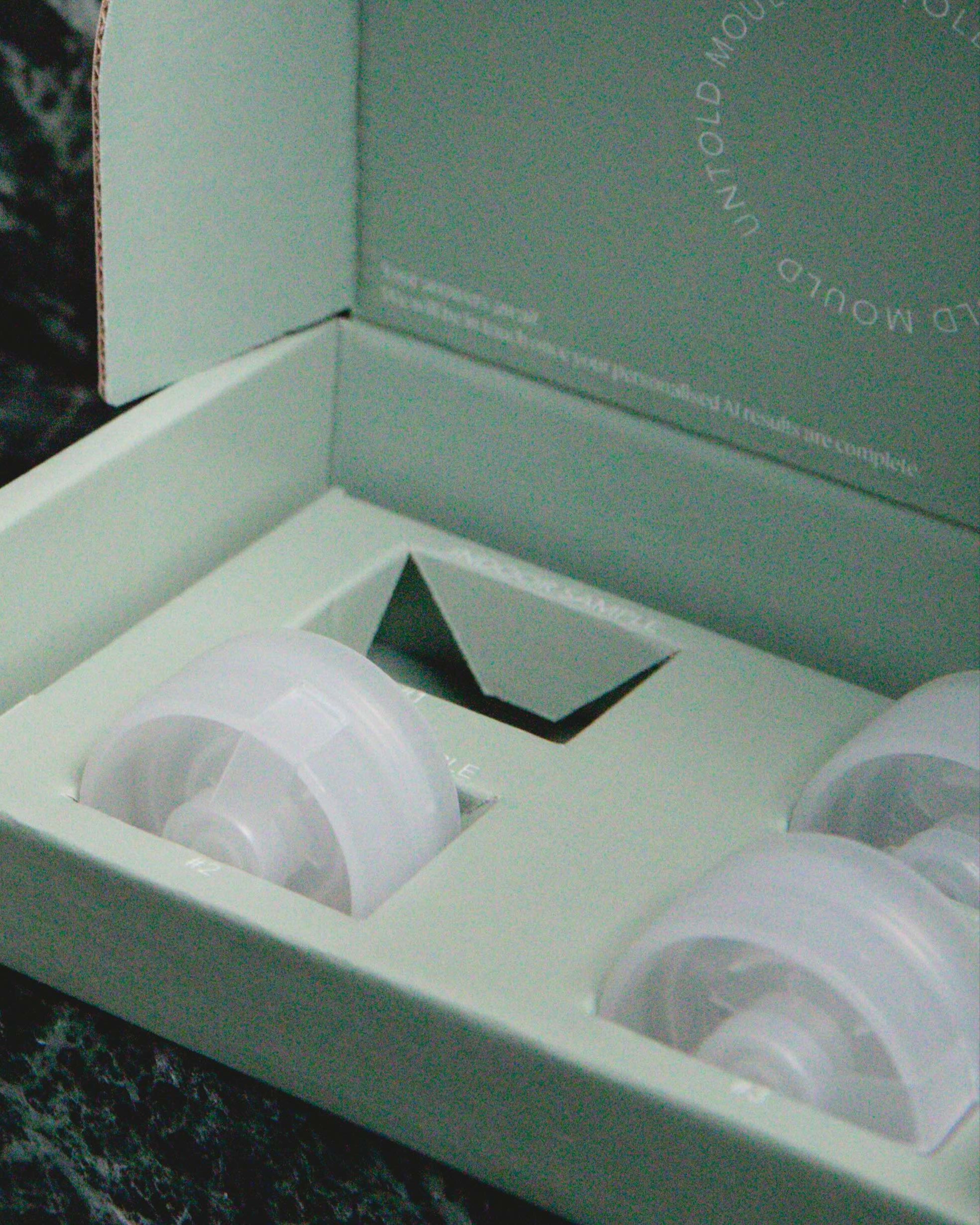
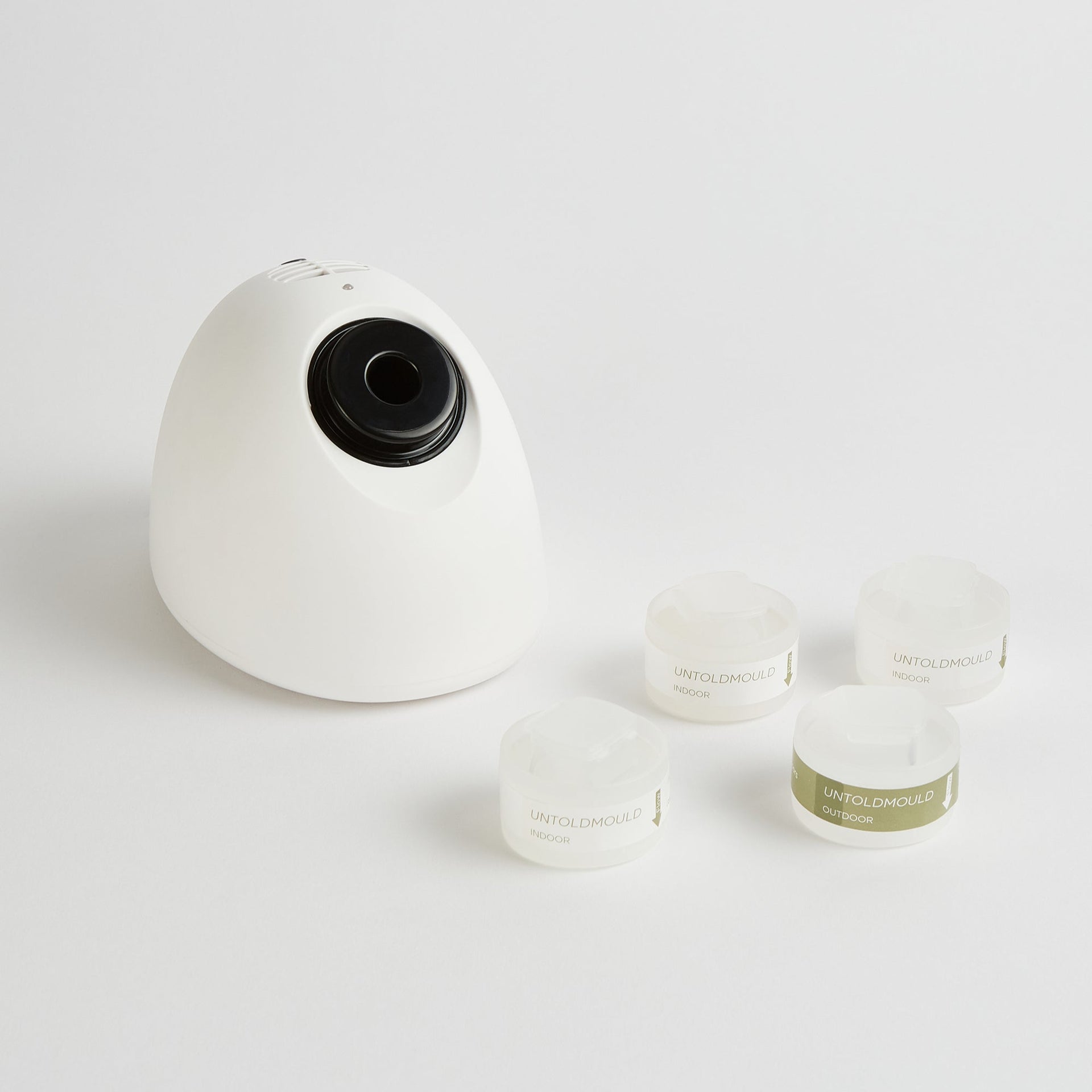
At Untold Mould, we’ve made it easier than ever to test your home for mould. We’ve created an affordable, easy-to-use mould testing starter kit that allows you to test for mould in just 30 minutes.
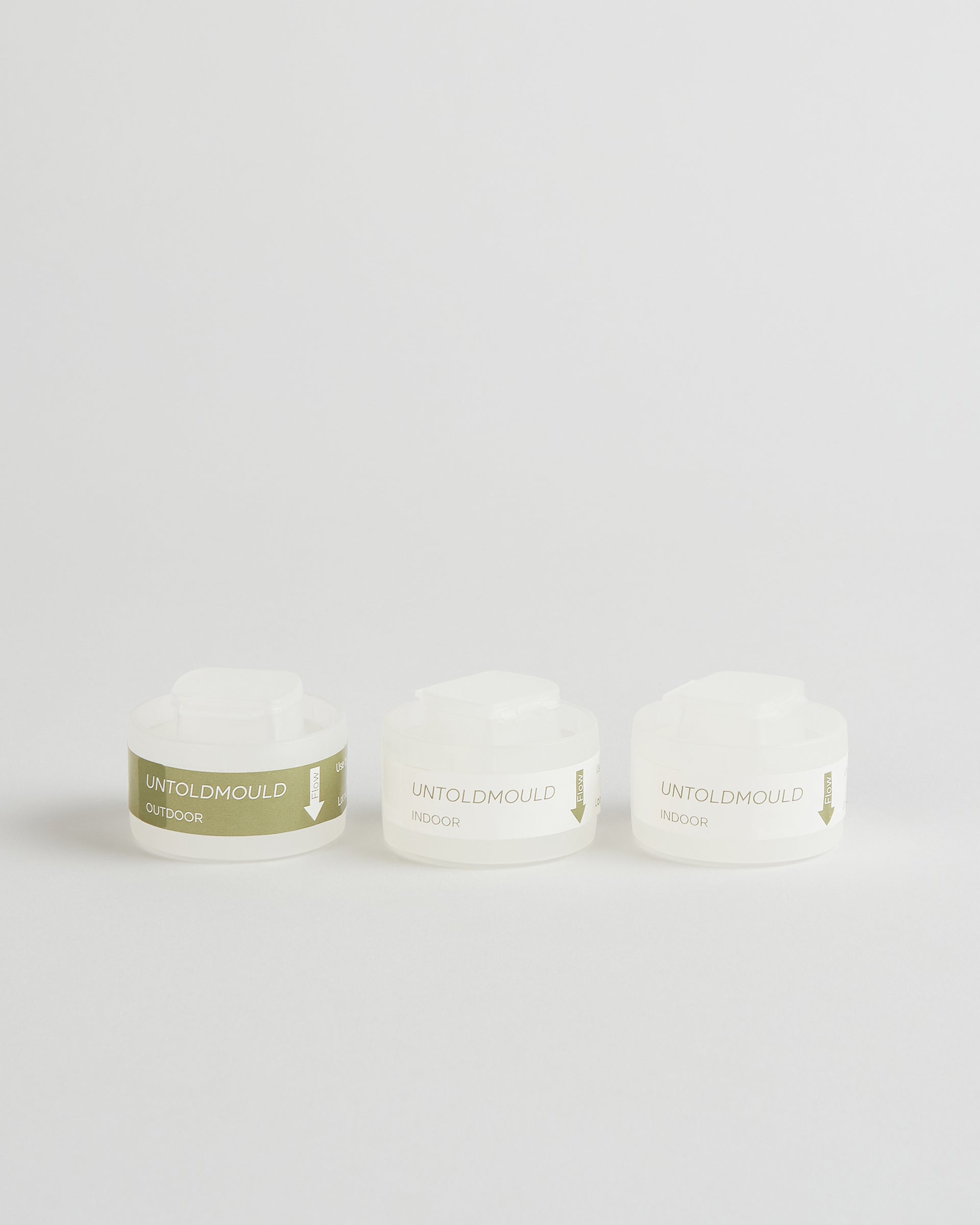
Once you’ve tested for mould in each room, all you need to do is pop the mould testing cassettes in an envelope and send them back to us. You’ll receive your comprehensive, easy-to-understand mould report within 3 working days.
Take a look at our shop to find out more about our home mould testing device!