Do you often wake up after 8-10 hours of sleep feeling like you’ve not slept at all? Do you have constant brain fog that not even the strongest coffee or your fourth matcha can fix?
Maybe you’ve tried all of the natural remedies you can think of, you’re getting more exercise and are eating better, but that constant tiredness and fatigue won’t shift.
If so, there may be a culprit hidden within your home, behind furniture and under floorboards that could secretly be causing tiredness out of sight: mould.
Whilst mould is often mostly talked about to cause or worsen respiratory problems like asthma, it can also have a negative effect on your energy levels, hence causing extreme fatigue and tiredness.
How does mould impact your energy levels?
Mould isn’t just on walls, it’s in the air. Mould spores become airborne and therefore, for some individuals prolonged exposure to mould and damp may cause respiratory irritation, inflammation and fatigue-like symptoms.
Mould can cause low energy levels and constant tiredness by:
Inflaming your respiratory system
When you breathe in mould spores or mycotoxins, it mostly attacks your respiratory system, so your lungs are inflamed trying to fight off the infection. This consumes a lot of energy, without you even being aware, which exhausts you.
Mitochondrial damage
Some medical professionals suggest that breathing in mould spores can damage the mitochondria in your cells, which means your cells will use more energy. This makes you dehydrated and tired.
Oxidative stress
Mould can also be damaging to your blood cells, which will have to work overtime to fight off infections.
Mould fatigue or “just” tiredness?
Just feeling sleepy is usually not the sole symptom of mould in your home that is causing constant tiredness. Other symptoms include:
Brain fog
Most of us can function pretty normally if we’re just a bit tired, but mould can also cause brain fog, where you have temporary memory gaps.
Light sensitivity
When paired with feeling tired, feeling dizzy or light headed where there are bright lights like the sun can also be a symptom of mould.
Enhanced hayfever
All of the above can be symptoms of hayfever, which can be enhanced or worsened when your home contains hidden mould. This can cause a stuffy nose and watery or puffy eyes.
How to find hidden mould
You won’t always see green or black growth on the walls or ceiling for mould to have a presence. Mould is sneaky and can hide anywhere there’s moisture, like behind furniture, under carpets or on the seal of windows.
If you’ve ruled out common causes of fatigue, it may be worth assessing your indoor air quality.
At Untold Mould, our mission is to raise awareness of mould in your home and provide a simple way for you to test for mould, to help create a healthier UK.
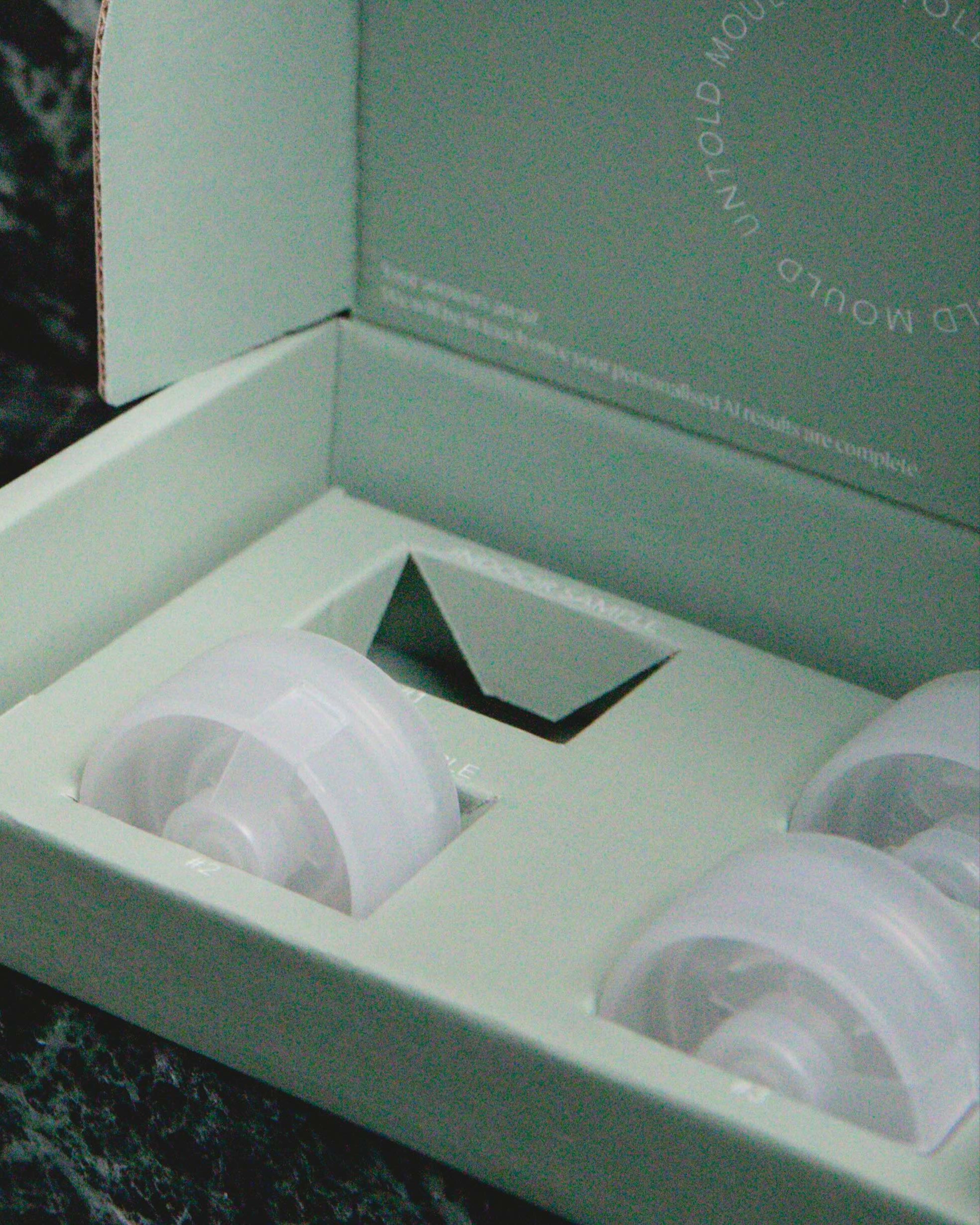
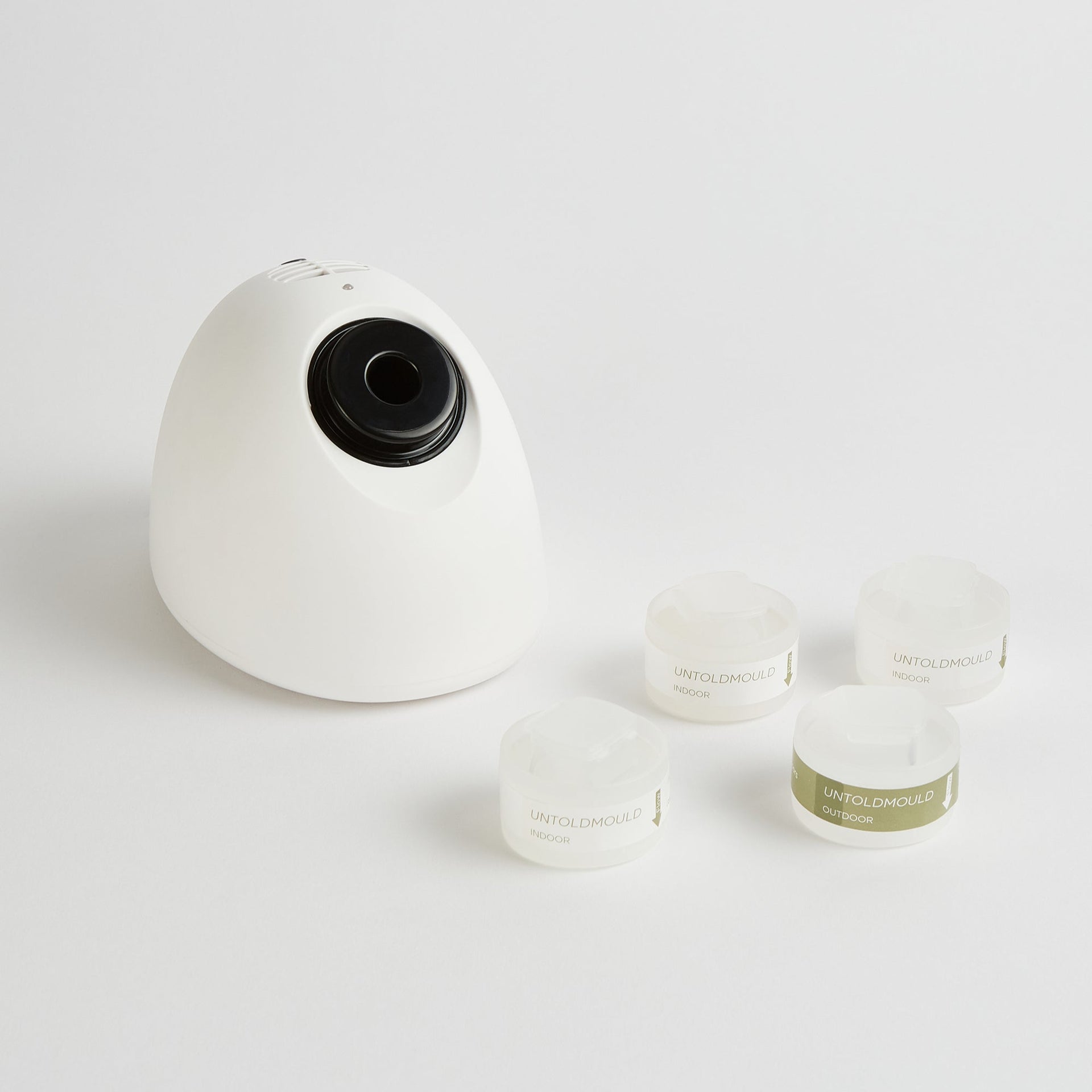
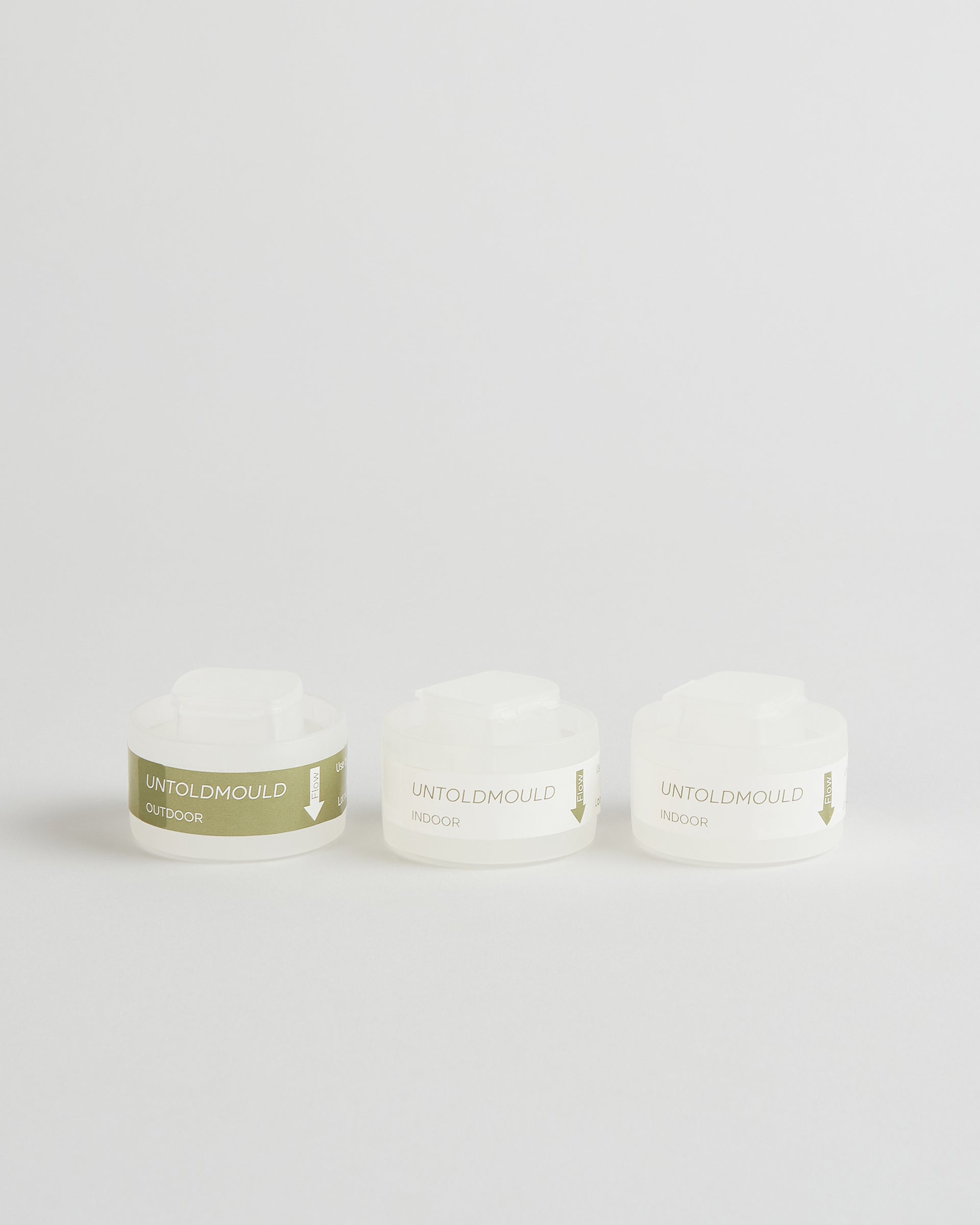
We offer a handy and affordable reusable mould testing kit to help you get on the road to having a mould-free home.