
1. Can you tell us about your background and what led you to specialise in mould toxicity and environmental illness?
I came to Functional Medicine through my own experience with Crohn's disease (an autoimmune condition). Unsatisfied with what conventional medicine had to offer, I embarked on a path of trial and error through my teenage years, followed by an undergraduate degree in Health (Hons) — which gave me the tools to read and dissect scientific research and identify root causes contributing to autoimmune disease.
Once I implemented what I found, my Crohn's went into remission (and has remained so since 2010!). This led me to pursue a postgraduate qualification in Functional Medicine, which sits at the intersection of conventional medicine, naturopathic medicine, nutrition, and the latest research, with the focus on identifying the root cause of illness rather than suppressing symptoms.
The philosophy at its core: the body inherently wants to be healthy, and if you can identify and address what is disrupting it, it can often return to (or stay in) an optimal state and thrive. The preventative side of it is nowadays also often referred to as ‘longevity medicine’.
Functional Medicine investigates root causes such as gut microbiome imbalances, chronic infections (such as mould!), food intolerances, nutrient deficiencies, hormone imbalances, and more.
However, since moving to the UK nearly a decade ago, I kept encountering clients who simply wouldn't get better despite addressing all the ‘usual’ culprits. Further research and testing revealed that mould exposure — often from years or even decades earlier — was a significant missing piece, skewing their immune systems toward chronic inflammation and undermining progress in every other area.
Since adding mould testing to my practice, I've been struck by just how vast and underrecognised this problem is.

2. Why do you think mould-related illness is so often overlooked or misdiagnosed in conventional medicine?
I believe it comes down to education and focus. Conventional doctors are generally not trained in root cause medicine, but instead are wonderful at helping save lives by prescribing drugs to suppress symptoms and navigate a health crisis. As such, conventional doctors will most likely only pick up on the most severe and life-threatening cases of mould exposure (called ‘invasive aspergillosis’), and so the assumption that only people with severely compromised immune systems (e.g., those on chemotherapy, having HIV/AIDS, or organ transplants) could be significantly harmed by indoor mould has persisted. This overlooks the people that aren’t in this life-threatening situation, yet are silently suffering with often a huge impact on quality of life.
In addition, symptoms can be so vague and widespread that it often becomes hard to pinpoint, unless you take time and ‘dig deep’ for root causes that connect the dots of often seemingly unrelated symptoms. Time allowed (or not allowed) for each patient often plays a role here too.
Furthermore, next to ‘invasive aspergillosis’, conventional medicine often only looks at mould allergies, which only make up a small percentage of the health concerns that can be attributed to mould exposure.
3. What are the most common symptoms you see in clients experiencing mould exposure?
This is a tough one. While mould allergy often presents itself more acutely with common allergic signs similar to hayfever, such as sneezing, congestion, a runny nose, an itchy throat/ eyes and wheezing, the symptoms produced by mould toxins (called mycotoxins) and infection can be vague and widespread.
However, some of the most common symptoms where mould might play a role include:
- Anxiety and depression
- ADHD and autism spectrum disorder
- Brain fog, difficulties with concentration and memory
- Body aches and a slowed recovery from exercise
- Arthritis
- Tremors
- Diarrhoea, bloating, and other digestive problems
- Hayfever and asthma
- Migraines
- Sleep apnoea and trouble sleeping
- Multiple food intolerance and allergies
- Histamine intolerance and mast cell activation syndrome
- Unexplained fatigue
- A lowered immune system/ catching frequent colds
- Hormone imbalances contributing to conditions such endometriosis, fibroids, cysts, PMDD
- Autoimmune conditions such as Hashimoto’s and Multiple Sclerosis
And the list goes on.
4. What actually happens in the body when someone is exposed to mould long term?
There are four generally accepted mechanisms through which mould exposure affects human health:
- Allergy
- Infection
- Inflammation
- Toxicity
This means one can have an allergic reaction to mould, or the mould can ‘infect’ the body (much like a bacteria or virus would), lingering in places such as sinuses and lungs. These mould spores, or fragments thereof, trigger an immune response, again similar to what a bacterial or viral infection would, thereby creating inflammation.
And it doesn’t stop there. Mould produces toxins, called ‘mycotoxins’, which can pass into the body, including into the brain, nerves and organs, and cause significant harm.
These mycotoxins trigger inflammation and oxidative stress (= cellular damage), including damage to our brain cells, intestinal cells, our body’s energy producing powerhouses, called mitochondria, and even our DNA and genetic expression.
Mycotoxins have even been shown to compromise the blood-brain barrier and damage the gut lining, thereby contributing to ‘leaky brain’ and ‘leaky gut’ issues with potentially wide-reaching long-term health effects.
Emerging research suggests this could even include damage to myelin sheaths in the brain and spinal cord (a feature also seen in conditions such as Multiple Sclerosis) and dopamine-producing cells (a factor in Parkinson’s development), increased amyloid plaque formation (a factor in Alzheimer’s development), autoimmune conditions, among others. (https://pubmed.ncbi.nlm.nih.gov/29880330/).
Perhaps most concerningly, mould has been shown to skew the immune system towards a more pro-inflammatory state in some individuals, which can last decades in susceptible individuals, rewiring their future response to other exposures and making it harder for the body to return to a balanced (and optimally thriving) state.
5. Are certain individuals more vulnerable to mould toxicity? If so, who and why?
Yes. Research suggests that roughly 25% of Americans carry gene variants that render them more susceptible to long-term inflammation following mould exposure. (https://pmc.ncbi.nlm.nih.gov/articles/PMC7231651/)
Furthermore, individuals with genetic mutations in glutathione genes, an important antioxidant that helps reduce the damage done by mould and mycotoxins, can also contribute to a higher risk of mould related illness (https://pmc.ncbi.nlm.nih.gov/articles/PMC3654247/).
Moreover, individuals with already pre-existing dysregulation of the immune system, such as HIV or autoimmune conditions are at a higher risk of responding more strongly to mould exposure. (https://pmc.ncbi.nlm.nih.gov/articles/PMC8619365/).
6. Can mould exposure impact mental health? What mechanisms are involved?
Absolutely. As touched upon earlier, mould and mycotoxins can contribute to a whole range of cognitive and behavioural concerns, from anxiety and depression all the way to autism spectrum disorder and ADHD.
One of the mechanisms by which this occurs is suggested to be the chronic low-grade inflammation, that once triggered in the brain, disrupts production pathways of important neurotransmitters such as serotonin, and contributes to the overproduction of the excitatory molecule glutamate (https://pmc.ncbi.nlm.nih.gov/articles/PMC8619365/ )
Serotonin is thought to play an important role in mood regulation.
Mould can also increase the production of histamine, which in the brain can add to ‘overexcitability’ and inflammation, and symptoms such as panic disorders, migraines, rumination and anxiety.
As alluded to earlier, mycotoxins are also thought to damage dopamine production. Dopamine is a neurotransmitter that helps us focus and motivate.
In combination with the often found high levels of the excitatory neurotransmitter glutamate, this can contribute to hyperactivity, attention deficit and impulsivity, much like the symptoms observed in ADHD.
7. How do you assess and test clients for mould toxicity?
This differs from person to person, as often there are other factors in addition to the mould that contribute to their ‘mould toxicity’ symptoms, or that have developed due to the mould exposure, that need to be assessed in order to get a full 360 picture (and to address and support them in their healing journey).
For example, often people with mould toxicity develop food allergies and intolerances as a knock-on effect. Or they may have other viral, fungal or bacterial infections, or gut and vaginal microbiome imbalances that managed to take over, in part due to mould’s immune suppressing effects.
There may be nutrient deficiencies or blood sugar control issues that make it harder for the immune system to do its job, allowing inflammation and mould spores to linger.
They may have stored heavy metals such as mercury or lead, which have been shown in research to strengthen the biofilm (that ‘sludge’ that allows mould to hide).
Their hormones and stress levels may be off, making it that much harder for the body to heal.
So I always start with a comprehensive intake including a deep dive into their health history which will usually point us in the right direction of what testing might make the most sense for the individual.
Depending on their symptoms (and budget) we will decide on different tests, often including allergy (blood), mould spores and mycotoxins (mostly in urine) testing, which can all be done via at-home self-test kits.
To get a real 360, Functional Medicine root cause approach, we usually also test for the just mentioned co-existing factors such as the gut microbiome, hidden food intolerances and allergies, heavy metals, nutrient levels, hormones, and genetics.
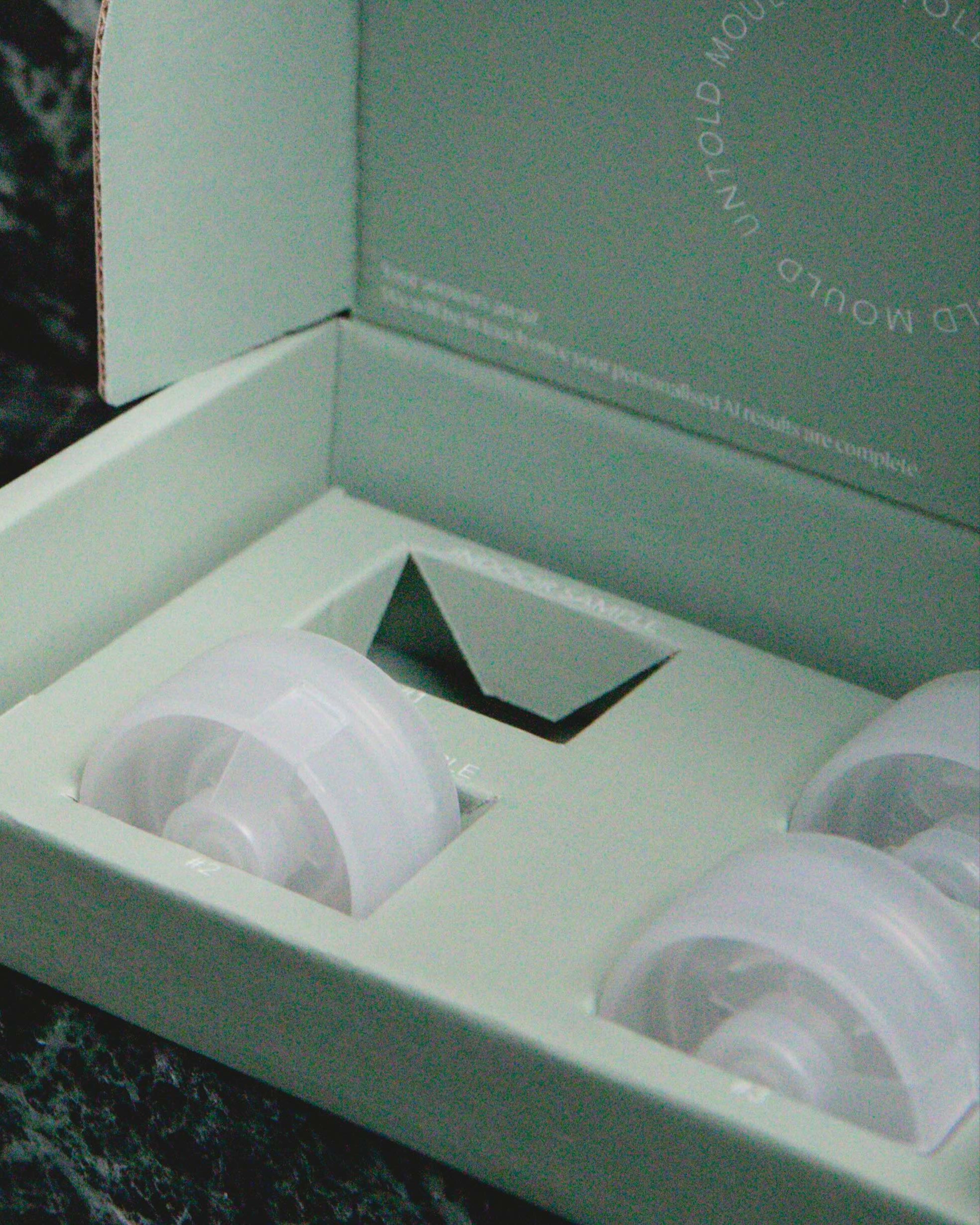
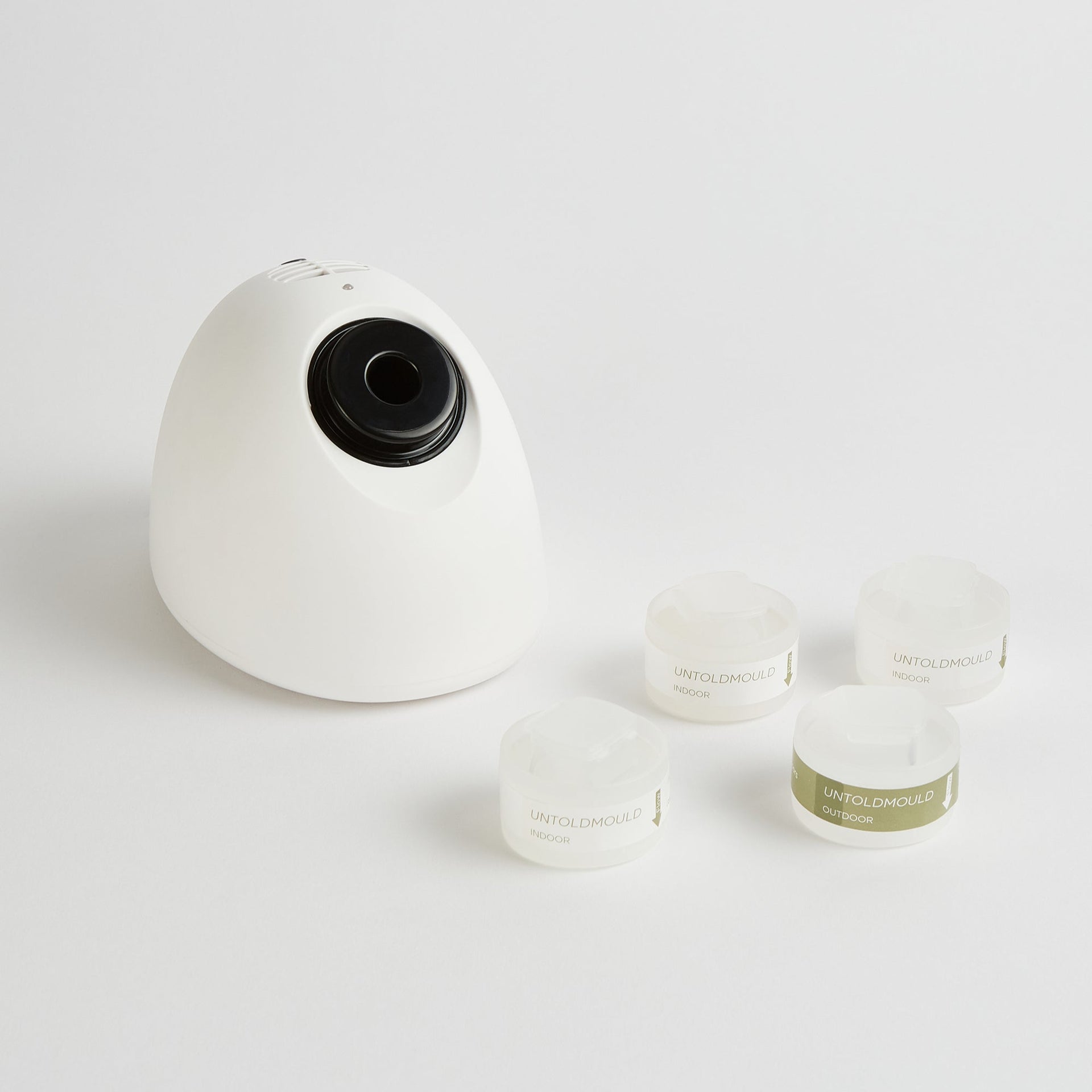
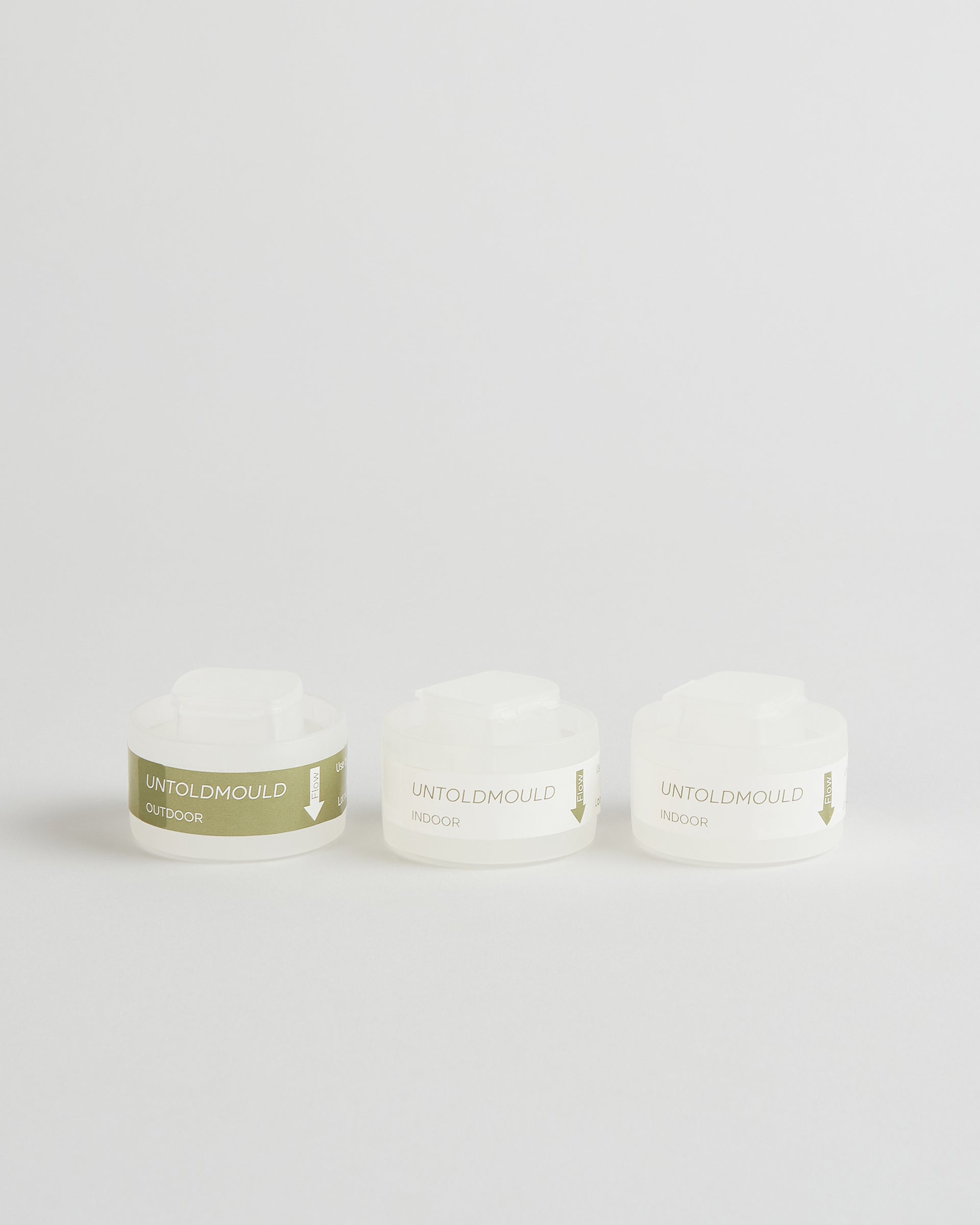
And we will of course also rule out that they aren’t still currently living in a mouldy environment, which is where Untold Mould’s wonderful test kits come in.
Note: I will also always make sure they have been to their GP to make sure there is nothing sinister underlying their symptoms. Everything we do is in addition to, not instead of, regular GP care.
8. What are some common mistakes people make when trying to self-diagnose mould-related illness?
In the age of Tiktok and AI, it is easy to self-diagnose with any ailment really.
Just because a person’s symptoms sound like mould toxicity does not mean they are.
As previously mentioned, many symptoms are vague, and can also have other potential underlying trigger in combination with, or instead of mould.
So it is always important to first go to your GP and make sure there is nothing ‘sinister’ going on.
Once you have his/her all clear, then I would recommend seeing a Functional Medicine practitioner that can help detect whether it is actually mould, or in fact a myriad of other underlying factors that can all look like, or contribute to the symptoms of the person.
9. Why is environmental testing (such as home mould testing) an important part of the clinical picture?
I like the analogy of a fish bowl. If the water in the fish bowl is polluted, the fish will get sick.
No matter how many meds or supplements or other tools one tries with that fish, unless the water gets cleaned, the fish will stay ill.
The same goes for a mouldy environment.
Any strategy to ‘detox’ mould will only be effective if the person has also removed the environmental exposure.
Which is where the Untold Mould test kits come in and play such an essential role.
10. Can people recover from mould toxicity?
Absolutely. The body is quite wonderful in a way that if you remove triggers and support its healing capacity, it often can and wants to heal.
Research supports this notion too.
However, depending on how long the mould exposure lasted, and the severity thereof, plus the individuals’ genetic predisposition, other health ailments etc, it can be quite the journey. I do not want to sugar coat this.
Research suggests that mould exposure can skew the way the immune system responds to future ‘threats’, and even once mould exposure is terminated, the effects of this immune rewiring often persist.
Moreover, as previously mentioned, mould can establish itself and keep producing mycotoxins.
They are very good at ‘hiding’ from the immune system by creating a sort of ‘sludge’ (called biofilm), that allows them to evade the immune system, yet continue to produce mycotoxins and ‘poison’ the body.
In addition, mycotoxins themselves can be stored inside the body for years and decades, even after the environmental exposure has stopped.
So in order to get better, one needs to not only address the water damage in the home (or work, etc), but also any mould spores and mycotoxins that are stored inside the body.
11. What does a typical support protocol look like in your practice?
In my private practice, there is no one-size-fits-all approach.
It all depends on their unique situation, concerns, goals and, very importantly, co-existing factors like the touched upon hidden food intolerances or allergies that might have developed as a result of the mould exposure, or co-infections such as gut bacterial or the fungus candida albicans, nutrient deficiencies, hormone imbalances, etc.
They need to be taken into account in a protocol.
We also shone a light earlier on the fact that mould exposure can skew the immune system, so part of the protocol would have to be to address this, with the goal to rewire the body’s immune response and restore immune resilience.
I hence always look at the person as a whole, 360 degrees.
I put on my ‘health detective hat’ to figure out all the pieces of their unique health puzzle, and decide on a bespoke and targeted strategy.
We always run tests. My motto is ‘Test, don’t guess’, as usually people come to me that have already tried ‘everything’, from different supplements to diets to detoxes they have found online, and they are ready to make this more precise and personalised.
However, there will always be some type of herbal antimicrobial support protocol that targets the biofilm and mould depots, a gut microbiome and health restoration strategy, plus a nutraceutical regime to optimise nutrients and hormones needed for immune resilience.
One of the nutrients that is almost always needed is omega 3, which is necessary to quench the inflammation induced by mould, and most individuals run low on this.
Another is vitamin D, which we will make sure to optimise.
Note: Normal ranges aren’t good enough. In order for vitamin D to do its wonderful immune supporting job, it ought to be >100 nmol/l. Most ‘normal lab ranges’ start at 30-50 nmol/l, which is too low.
There will likely be anti-inflammatory and anti-oxidant support such as glutathione or NAC.
Depending on the person, we might also recommend adding in other supporting strategies like sweating (infrared saunas have been shown to be particularly effective, but even sweating from a hot bath or exercise helps, if infrared saunas are out of reach or budget for the person).
12. What would you say to someone who suspects mould may be affecting their health but feels overwhelmed or unsure where to begin?
The first step would always be to run a mould home test kit for environmental exposure, such as the Untold Mould kit.
Remember that fish bowl analogy I brought up earlier? The most important first step is to make sure they aren’t still currently exposed to mould.
If symptoms don’t clear after exposure has been remediated, or if they want to be proactive and make sure there are no lingering side effects, then ideally they will see a Functional Medicine practitioner that is specialised in mould toxicity, looks at the 360 picture, that can run the above tests and create a personalised protocol for them.
13. What role do you believe education and early intervention play in preventing long-term health complications from mould exposure?
In my opinion, this plays a large role.
We discussed how mould can skew our immune response, and can have body-wide knock-on effects, that can contribute to inflammation and the ‘big problems’ such as Alzheimer’s, Parkinson’s, and emerging research also pointing to potential links with cancers, cardiovascular disease etc, down the line after years and decades, if not addressed.
The earlier one:
- Finds out they have mould and water damage at home
- Removes exposure
- Clears out mould that might have infected the body
The better.
And education is obviously such an important part of this, as most people aren’t even aware they are silently ‘poisoning’ themselves and suffering from ‘unexplained’ symptoms, or after decades ‘all of a sudden’ wake up to a full-blown health condition, that might have been possible to prevent if only they were aware of the power of personalised prevention, and the role mould and other infections play.
Ultimately, awareness is the first line of defence — and it costs nothing.
The sooner someone connects their symptoms to their environment, the sooner they can begin to reclaim their health.
14. What excites you most about partnering with Untold Mould?
In my practice I value quality products that make life easier for my clients (and myself as a practitioner).
Unlike other at home mould testing tools that are cumbersome and often unreliable, Untold Mould has developed a truly state of the art tool that I am very excited about.
It is easy to use, works with ‘gold standard’ testing technology (ie the best there is!), and as a bonus, looks sleek and modern.
The team is just as enthusiastic as I am about bringing knowledge and solutions to people silently suffering, so they can go from ‘surviving’ to ‘thriving’, and take control of their health.
I very much look forward to partnering with Untold Mould, and to do my part in bringing awareness to people, so they can ultimately thrive.