It’s a difficult pill to swallow, hearing your child persistently cough. Especially if it’s waking them up in the middle of the night. The dry, hacking sound of a cough that cough medicine just doesn’t seem to fix. Sure, you visit the GP, but there’s not much they can do if they think it's just a cough or a cold.
The cough may only really appear when they’re at home, rather than when they’re out playing footy with friends, or at school, so you start to wonder whether it is a virus that just won’t go away, or if it’s something in your home.
In the UK, mould is a widespread issue, particularly in old and poorly ventilated homes, so there’s a possibility that hidden mould is lurking in your home.
Hidden Mould - the danger that lurks
Usually, when mould is mentioned, we think of fuzzy patches of dark blue, green or black on the walls and ceilings, but mould isn’t always visible.
It doesn’t mean your home isn’t clean; in fact, even the Royal Palaces could be affected by mould. Instead, it’s often caused by our humid and damp climate in the UK, as well as leaky pipes in our homes.
The crux of it is that damp is caused by condensation for the most part, so it can be found anywhere there’s moisture, darkness and limited airflow..
For example:
- Behind furniture that’s pushed tight to the wall
- Underneath floorboards
- Near windows, doors and radiators
- Behind refrigerators
- Inside insulation or gaps between walls and ceilings
We see the phrase “out of sight, out of mind” a lot in the UK, but when it comes to mould, it should be very much in your mind as some strains of mould can release mycotoxins into the air, which can irritate children’s airways.
Why does mould cause a cough?
Whilst mould can affect adults, it is more harmful to children as their lungs are more fragile and are still developing. When they breathe in air that has mycotoxins from mould, their immune system can tell this is dangerous.. In some children, this can irritate their airways and trigger immune responses, which may cause a cough.
Their reaction to mould can be aggressive as the body is trying to get rid of the foreign spores by coughing.
The symptoms of mould are very similar to other illnesses, such as the common cold and hayfever, so it can be difficult to pinpoint whether it actually is mould without testing for it, but we’d recommend keeping an eye on the following:
Coughing mostly at home
If your child’s coughing gets worse at home, especially in specific rooms, but is more or less fine when they’re elsewhere, it could be a sign that there’s mould present.
Coughing worsens at night
If it gets worse when they lie down at night, it could be a sign of hidden mould, specifically in their bedroom. We’d recommend checking behind wardrobes and chests of drawers.
Additional symptoms
If their symptoms are hayfever-like with a runny nose but aren’t particularly sneezy, rashes on the skin and watery eyes, it could also be mould.
If many of these symptoms are present, it’s a strong sign that there’s mould in your home.
Test, don’t guess
If you think there’s mould present in your home, you really need to be sure. It may seem like a cheap and easy solution to buy a standard petri dish mould test from Amazon, but this won’t give you answers.
These cheap tests can show whether there’s mould, and seeing as mould is everywhere, they won’t tell you what kind of mould is in your home or the concentration levels, so you won’t know how severe the problem is.
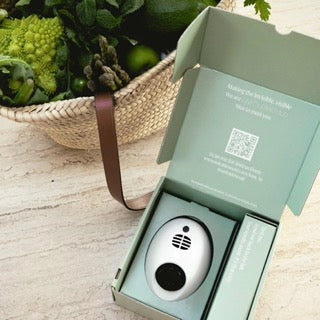
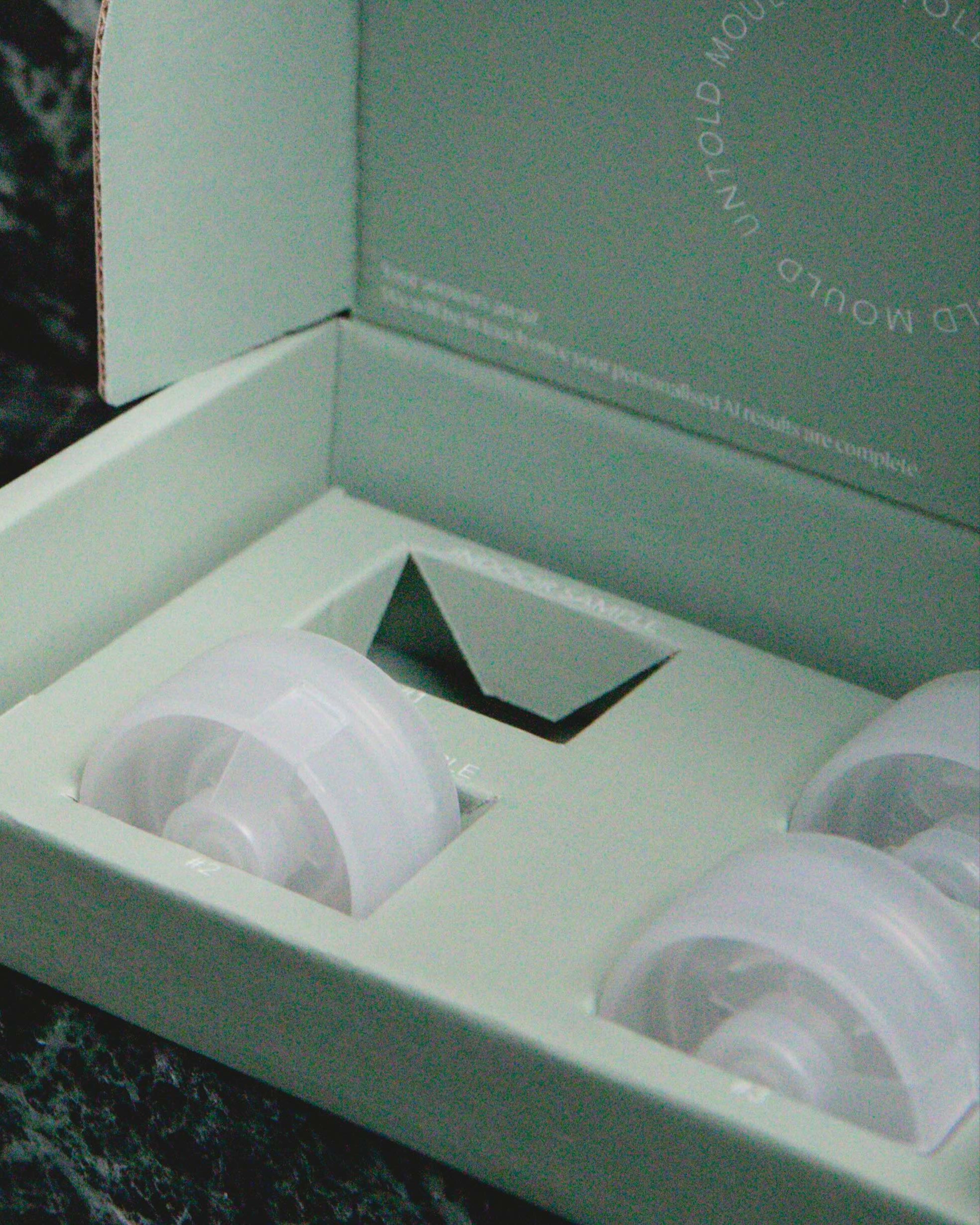
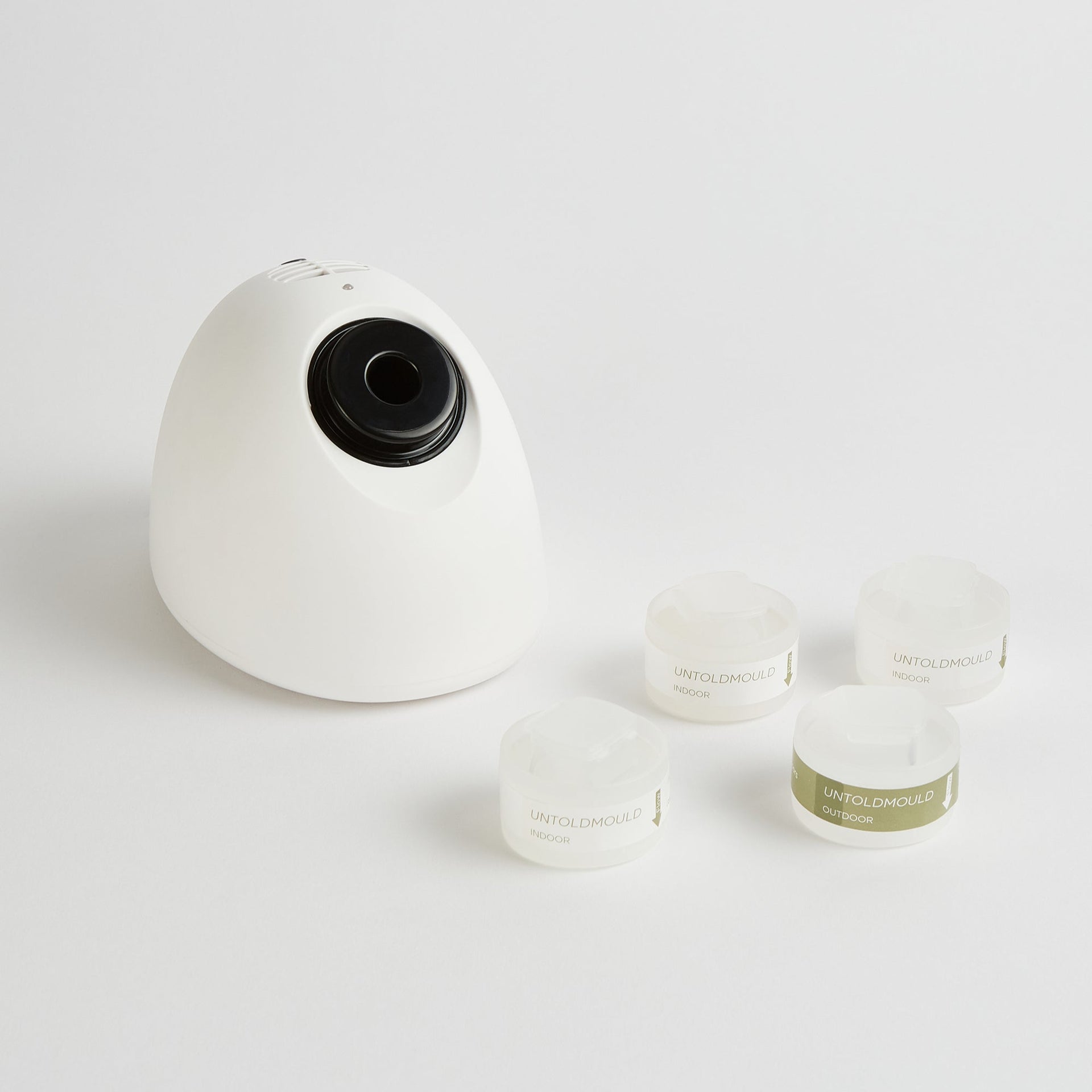
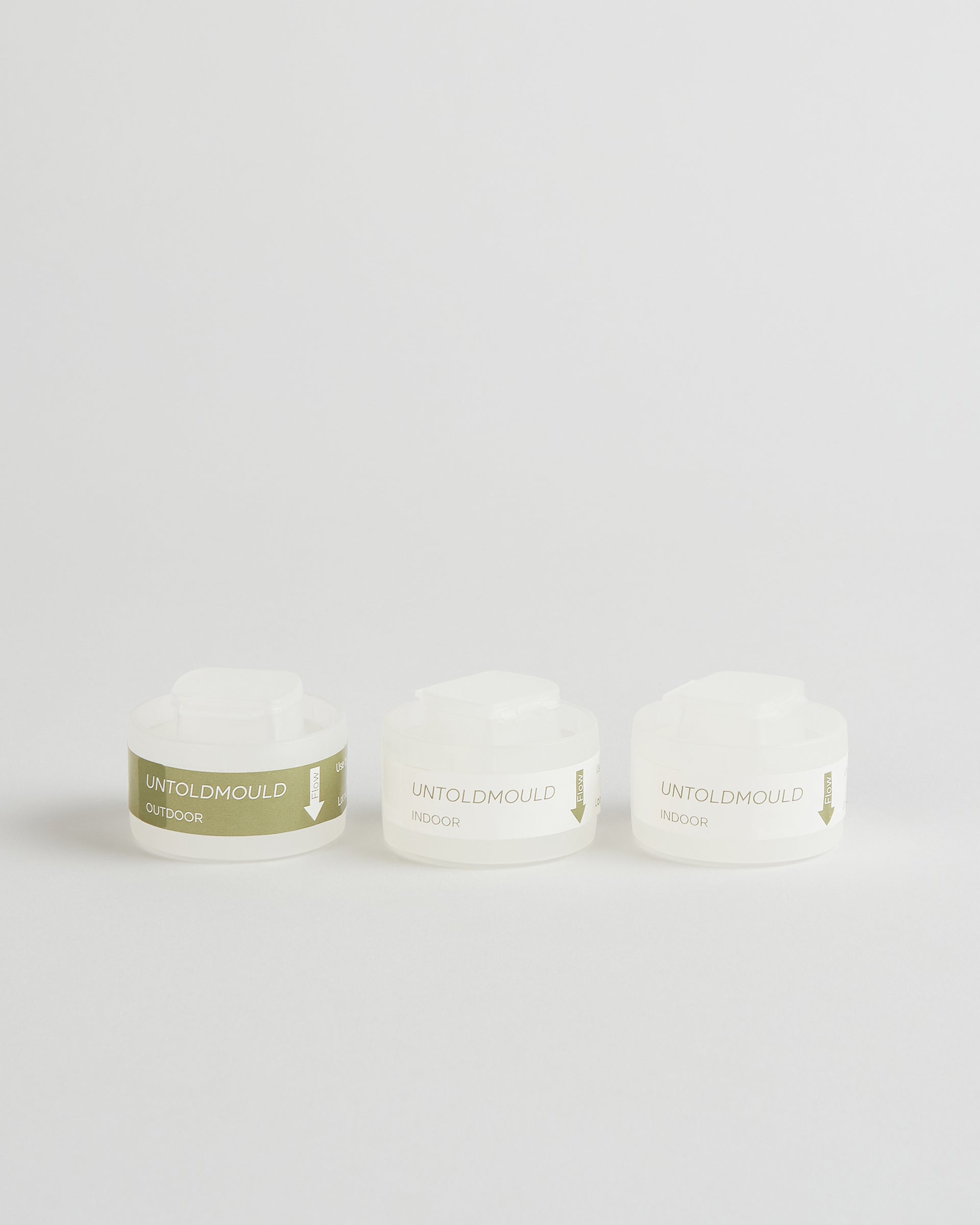
At Untold Mould, we’ve created an easy-to-use home mould testing device that can help you identify which mould spores are present in the air in your home Paired with our mould testing cassette, you can test each room in as little as 30 minutes and have an AI-supported lab-powered analysis in your inbox within 3 days of us receiving the samples.
You can buy our home mould testing device here.
Disclaimer: This blog does not constitute any kind of medical advice. If your child has a persistent or worsening cough, always seek advice from a GP or healthcare professional. Environmental testing should be used alongside—not instead of—medical guidance.