Whether you live in an old Victorian terrace house or a new build, living in the UK, you’ll be familiar with the constant battle against damp.
Whilst those little bubbles of water that cling to the inside of your windows and bathroom walls may seem like just a minor annoyance, they could be the start of a much bigger problem: mould growth.
In this blog, we’ll explore the link between condensation and mould, including how to recognise when condensation is becoming a major problem, and what you can do to prevent it.
Types of condensation
Condensation is more than just water on glass or walls. Condensation generally falls into two categories:
Surface condensation
This happens when warm, damp air makes contact with a cold surface like a window or an outside wall. The moisture and damp in the air turns back into liquid and can cling to the surface inside your home.
Interstitial condensation
This condensation is less noticeable as it’s effectively invisible condensation. It happens when moist air gets into your home from cracks in walls or gaps in the roof and condenses within building materials like plaster or brickwork. Interstitial condensation can be particularly dangerous as it can cause structural damage to your home, and you may not notice until it’s too late.
How to spot condensation
Whilst there are usually obvious signs of condensation, what you need to keep an eye on is whether your home has excessive condensation.
Damp windowsills
Condensation usually occurs first thing in the morning, especially if you’ve had your heating on overnight. Look for damp pools on your windowsill where condensation has streamed down your windows.
Dark patches on walls
Look for dark, damp-looking patches on walls, particularly behind furniture or in the corners of rooms. Whilst this may be more obvious on lighter walls, you’ll also be able to notice it on darker coloured walls at the brightest part of the day.
Cracking paint or peeling wallpaper
When your paint starts to crack, or your wallpaper starts to peel, this is a good sign of condensation buildup, as moisture can break down wallpaper paste and cause bubbles behind paint.
Musty smells
If you notice a slightly musty, earthy or damp dog smell, it could be a sign of condensation that you can’t see. The stronger the smell, the worse the problem is.
Damp clothes or soft furniture
If clothes or soft furniture like sofas and cushions start to feel a bit cold and clammy to the touch, but not particularly wet, it means they could be affected by condensation.
Is condensation worse in summer or winter?
We already live in a humid country, meaning our homes are at risk of condensation in all seasons, but condensation is even worse in the winter. This is because we typically have all of our windows closed, and our heating on, which causes a shock to the cold moisture outside when it hits the warmth of your central heating.
How does condensation cause mould growth?
The time it takes for damp walls and windows to turn into mould isn’t that long, especially as microscopic mould spores are constantly in the air. The majority of mould spores are fairly harmless until they find somewhere to settle and multiply.
Condensation can be the catalyst for harmful mould to grow as it needs moisture.
Condensation causing mould growth is a three-step process:
1) Condensation settles
The liquid water from condensation will settle on walls and windows inside your home.
2) Condensation acts as “food” for mould
Mould needs organic materials like moisture in order to feed, which condensation on your walls happily provides.
3) Mould spores grow
As mould spores land on surfaces and feed on the organic matter caused by moisture, it grows which can happen as quickly as 24 hours.
Once mould grows, it can be harmful to your family’s health, triggering allergies and causing respiratory issues, particularly in children.
How do I prevent condensation?
You can’t completely stop condensation, as there’s moisture in the air from everyday life, like boiling a kettle or breathing.
You can prevent excessive condensation and manage the moisture balance in the air.
Ventilate your home
Open a window for just ten minutes a day, first thing in the morning, and ensure extractor fans are on in kitchens and bathrooms whilst cooking and showering.
Temperature control
Mould loves dramatic changes in temperature as it causes condensation. Instead of increasing the temperature a huge amount when it gets very cold, try to keep your home at a constant ambient or warm temperature.
Dry clothes properly
Whilst British weather doesn’t allow us to dry clothes outside year-round, you can avoid excessive condensation by using a tumble dryer or a clothes horse in a closed room, with a window open rather than hanging your clothes on a radiator.
Use a dehumidifier
A dehumidifier is an essential piece of technology that will help effectively suck excess moisture out of the air, further helping to reduce the buildup of condensation and, as a result, prevent the buildup of mould.
When to use the Untold Mould home mould testing kit
You might be feeling the effects of condensation and mould, like headaches, fatigue and coughing, but you can’t see it, or you can see mould in your home, but your landlord won’t do anything about it and is blaming you.
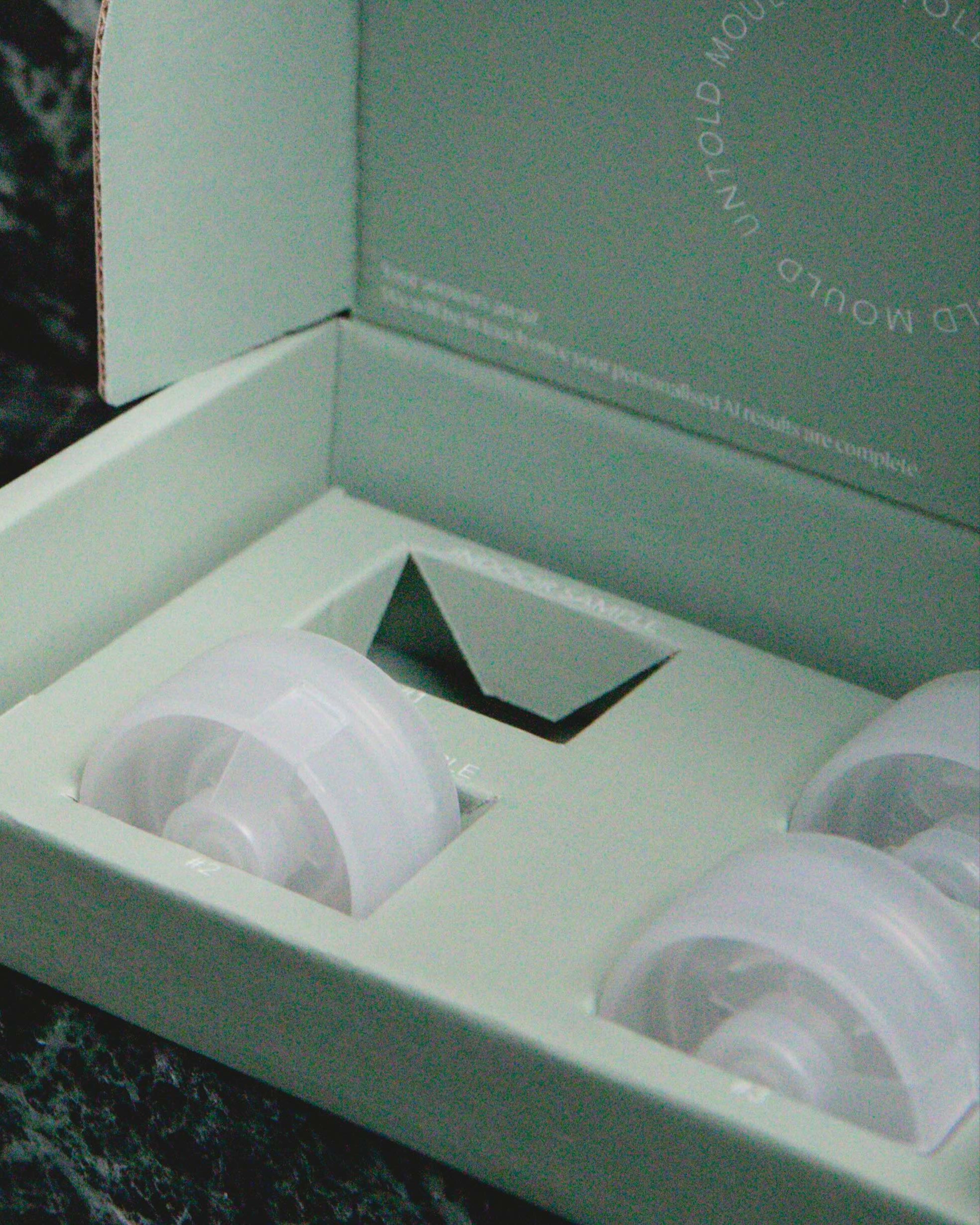
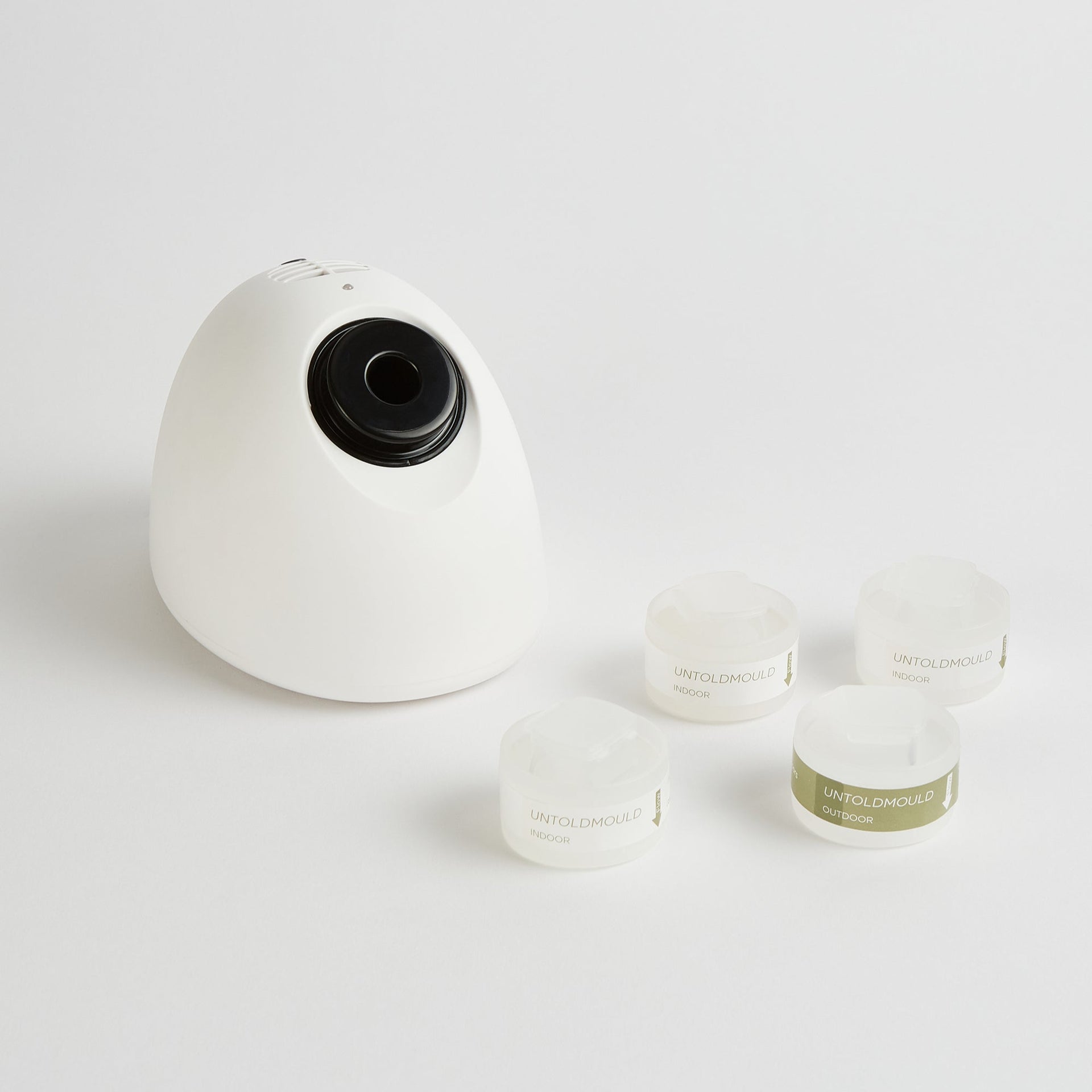
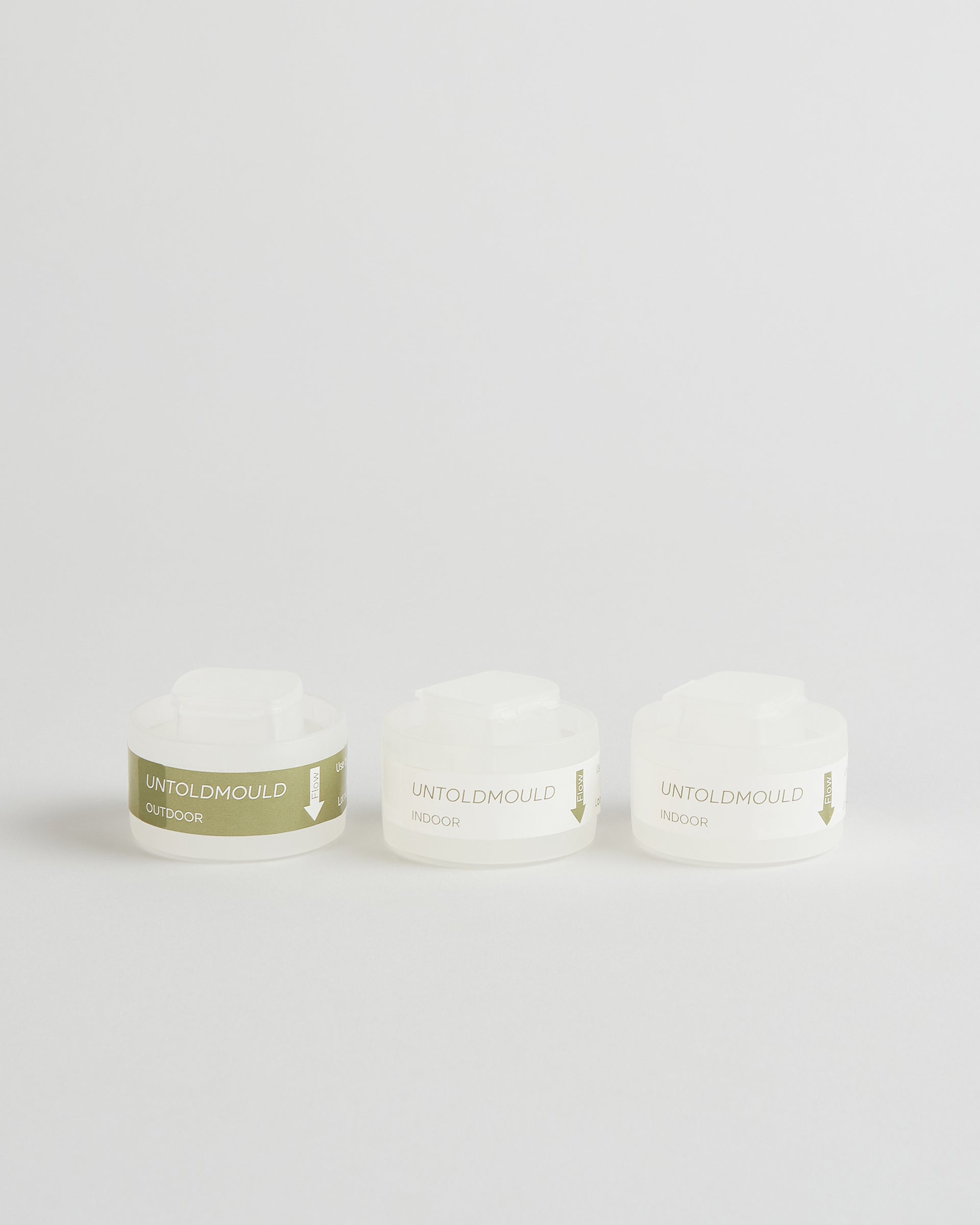
This is where the Untold Mould home mould testing kit is an essential tool.
Our home mould testing kit can identify 90 different mould spores and particles, even if they’re not visible. It’ll give you the knowledge you need to either fix mould issues yourself or arm you with proof for your landlord.