In the UK, many families are more health-conscious than ever before. You and your family are eating healthier, and getting plenty of exercise and vitamin D. You’ve invested in high-quality skin care products and water filters, but you may not have been thinking about the air circulating in your home.
The air that’s circulating is incredibly important, and AllergyUK’s research suggests that, despite leading a healthy lifestyle, mould could be causing unpleasant itchiness and skin rashes in both adults and children.
Why mould affects the skin
Whilst we usually associate mould in your home with respiratory issues like asthma, the effect it can have on your skin is also invasive and uncomfortable. Mould spores can affect your skin without you even needing to touch a patch of visible mould, and can go deeper, potentially causing long-term damage.
They affect our biology in a few different ways:
Allergic reactions
Mould spores trigger your antibodies to work overtime, releasing histamine which can cause eczema and hives, making your skin feel itchy.
Irritants
Mould releases chemical irritants known as Mycotoxins & Volatile Organic Compounds (VOCs) that are known to cause dermatitis, even in those who aren’t specifically allergic to mould. So in short, everyone is at risk.
Disrupting good bacteria
When we think about bacteria, we usually only mention the bad kind that makes us ill, but our bodies are also host to positive bacteria that keep our bodies working. Mould spores, however, can disrupt the good bacteria, giving you skin issues.
Outdoor pollution could be a catalyst
If you live in a major city filled with cars and other pollutants, you’re already at risk of getting dry, itchy skin.
Pollutants such as Nitrogen Dioxide and Particulate Matter weaken a skin protein called filaggrin, so other irritants like mould can get in more easily.
This creates the perfect catalyst for skin issues like rashes:
1) Pollution from the city causes weakened filaggrin
2) Indoor mould spores penetrate your skin
3) Inflammation in your skin leads to rashes, itchiness and potentially long-term skin issues
How to identify signs of mould-related skin issues
Skin issues aren’t usually presented as dirt and grime, but other sensitivities, which are often environmental.
What to look for:
Weekend flare-ups
Keep an eye on whether yours and your family’s skin issues are particularly bad on Sundays, after you’ve been at home for the best part of 48 hours.
Eczema creams not working
If you’ve spotted signs of eczema and have tried every off-the-shelf cream available, there could be deeper mould-related issues in your home.
Musty smells in your home
If you or your family are constantly itching, despite a clean house, and you notice a musty smell, it could be a sign that mould is lurking.
How to find out if there’s mould in your home
Beyond the obvious signs of black and green spots on the wall, hidden mould could be lurking anywhere there’s moisture.
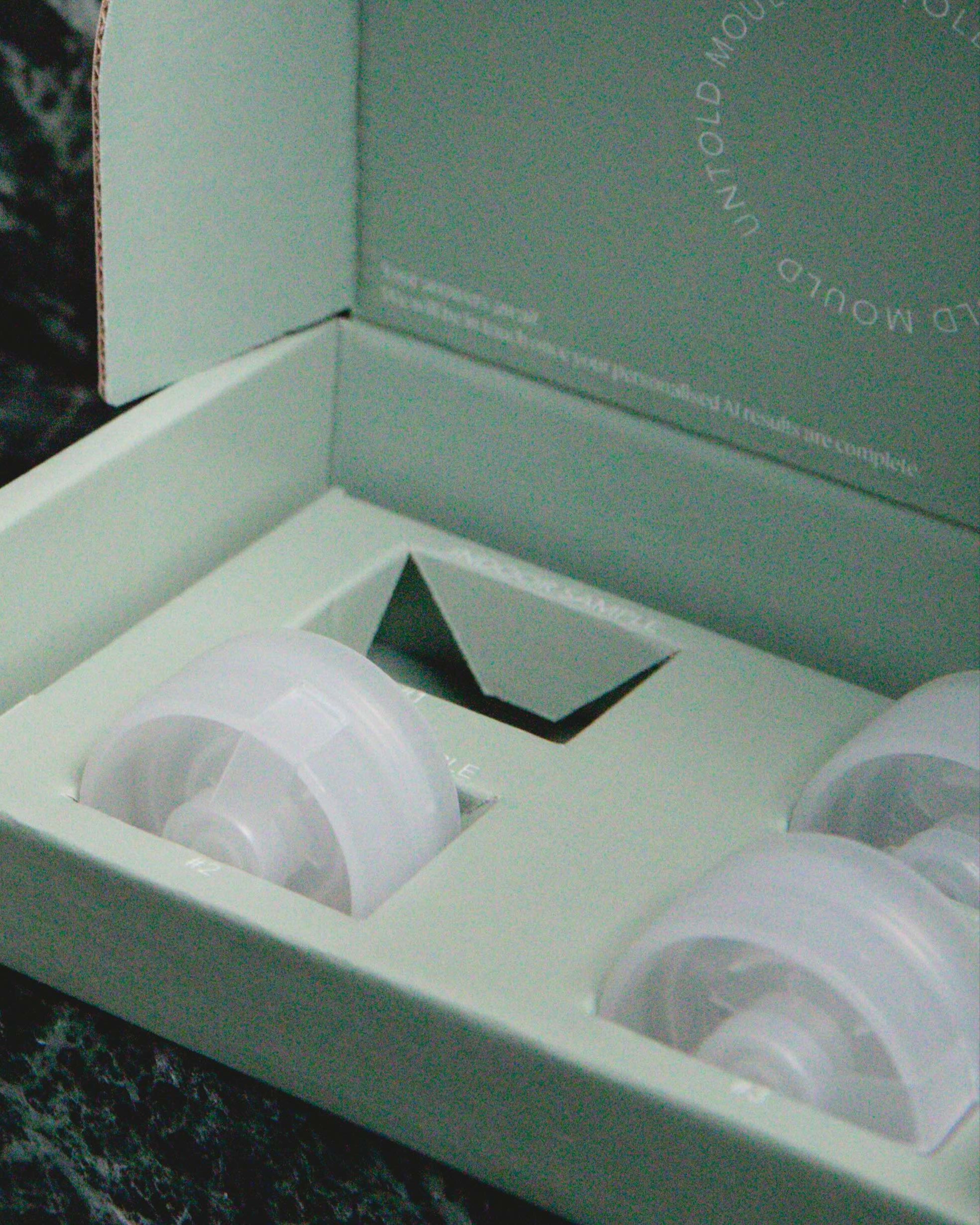
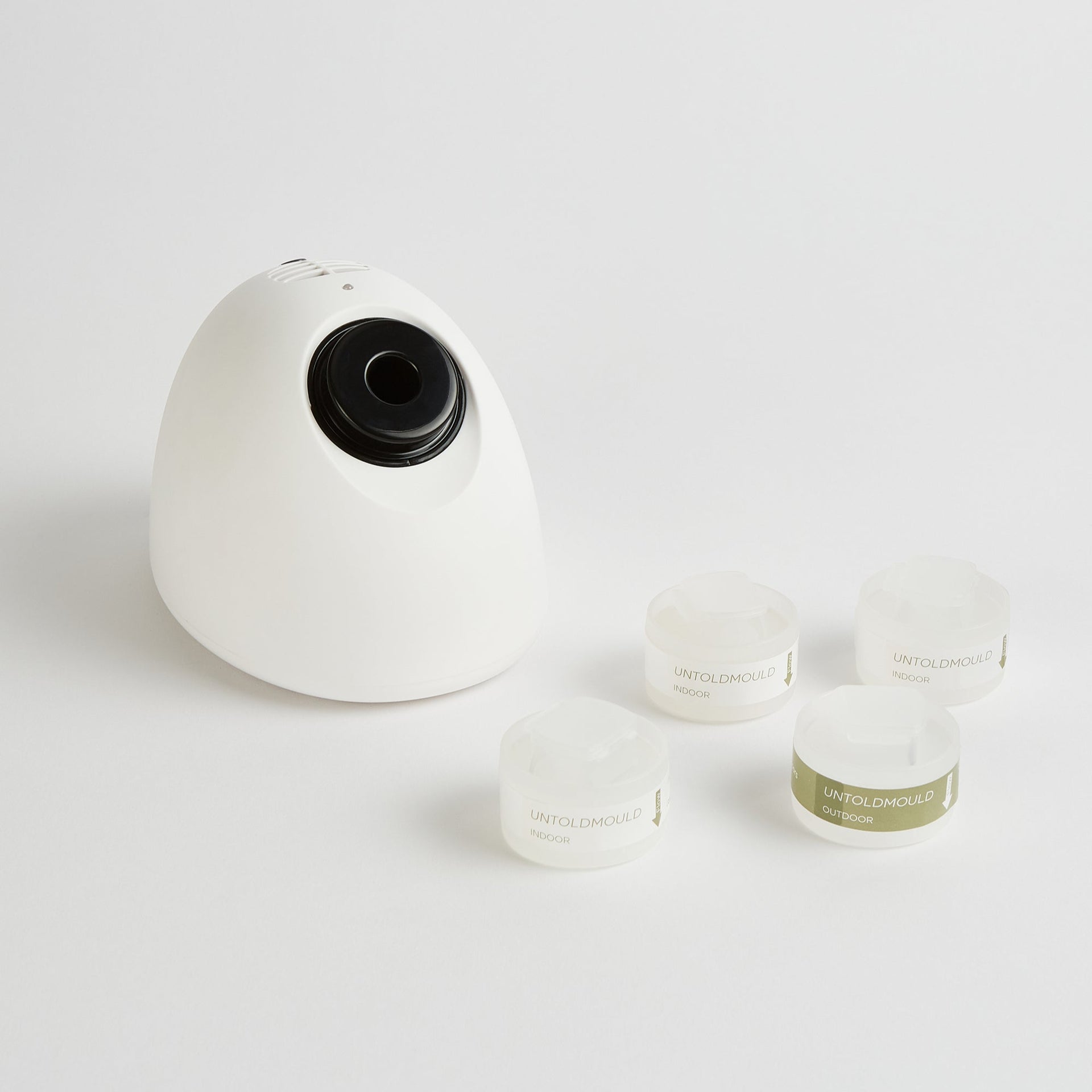
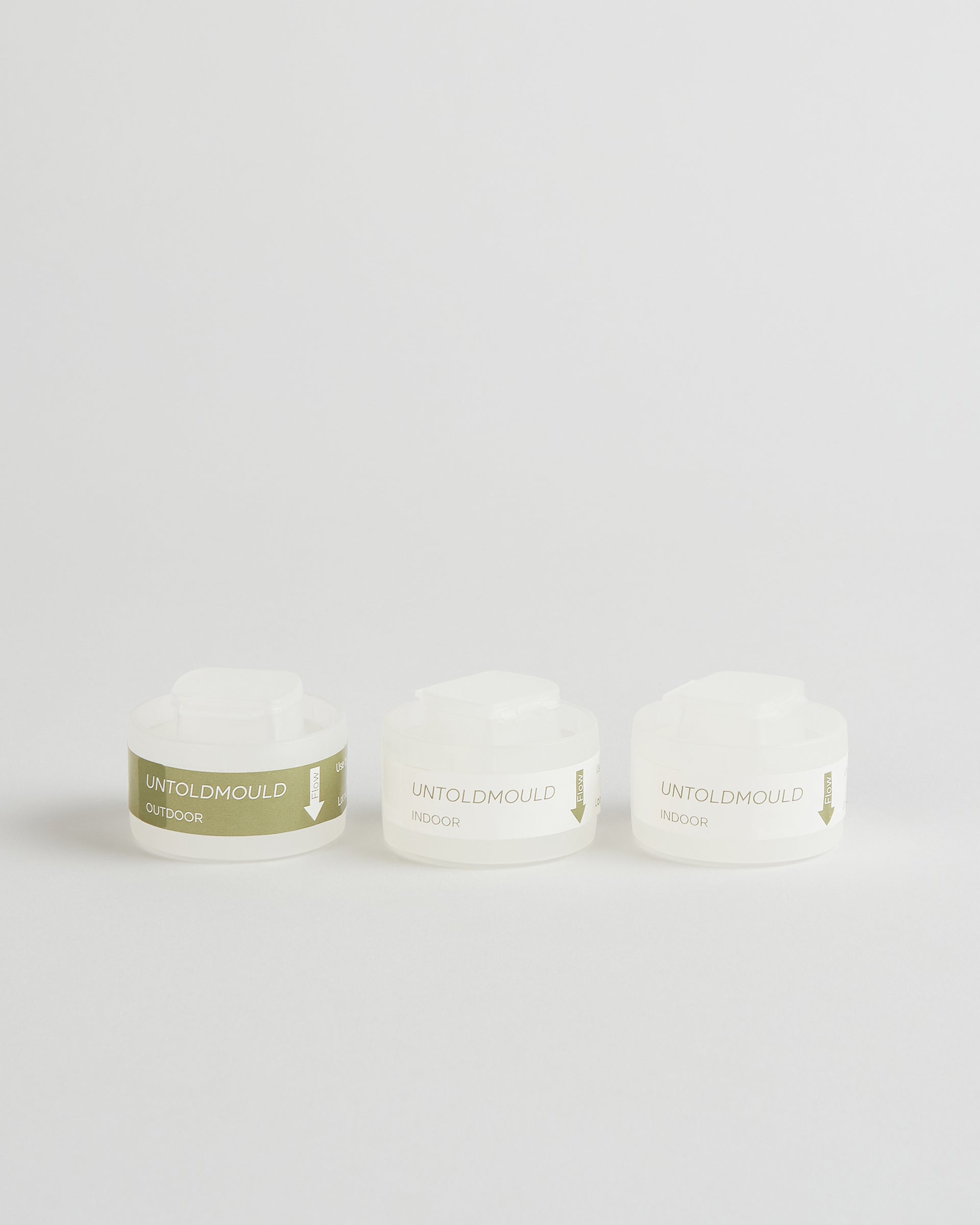
Our home mould testing starter kit will help you accurately detect mould spores in the air, allowing you to decide how to proceed. This will allow you to start creating a healthier home.