We pour hundreds of hours and thousands of pounds into turning our house into a home, making it suitable for our families and guests. From marble worktops to Farrow & Ball shades on the walls, we consider everything to make our home a personal haven.
Unfortunately, behind the facade, you may be suffering a similar problem to nearly 50% of households in the UK: mould.
It’s not a nice subject to talk about, but it’s an important one. You’ve likely seen the headlines talking about the UK mould epidemic, and it’s very real.
Winter is a particularly common time of the year for mould to grow, as we flick the central and underfloor heating on and keep the windows closed, as moisture can develop in the home.
Moisture has the potential to grow into mould, and if it’s not seen to quickly, it can turn into the most deadly mould of all: black mould.
What is Black Mould?
Black mould usually refers to a specific type of fungus with a rather horrifying Latin name, Stachybotrys chartarum.
It not only sounds horrible, but the look and smell in your home will be unwelcome too, not to mention the potential health hazards.
The appearance of black mould is dark green or black and slimy. It’ll give a musty, earthy and just funky scent that often can’t be masked with all the incense in the world.
Whilst not all mould that grows in homes is toxic black mould, all mould is a problem and shows that there are issues within the particular room it’s growing in.
What causes black mould?
Many people wrongly believe that mould means that your home isn’t clean, but this isn’t necessarily the case. In fact, it’s a sign that your home has a damp problem, where unwanted moisture is around.
In homes in the UK, the main culprits of unwanted moisture are:
Condensation
Condensation is particularly common in winter when we have the heating on, and all of the doors and windows closed to keep warm. That’s not to mention the amount of technology that’s also emitting heat in our homes from appliances like your big American-style fridge, to your kids’ Nintendo Switch.
When warm air hits a cold wall or window, condensation occurs, which is a breeding ground for mould.
Unnoticed leaks
How often do you really look for leaks in your home? Not often, we’d bet. Homeowners usually only notice when they step in a puddle, somewhere that shouldn’t be wet. Your shower not being sealed properly, or a leaky pipe in your kitchen can both contribute to the growth of mould.
Outside damp
One of the most common causes of mould in older and period homes can actually be caused by outside elements, including rising damp, leaky or overflowing gutters, or loose roof tiles.
The consequences of black mould
Black mould is more than just unsightly and foul-smelling; it can also have long-term consequences on your home and your family’s health.
Health issues caused by black mould
The impact on the health of yourself, your family and guests is by far the most serious consequence of black mould in your home as you’re breathing spores constantly.
Symptoms caused by black mould include:
Allergies
Breathing in black mould can cause hayfever-like symptoms, including itchy eyes and sneezing.
Feeling rundown
When it comes to black mould and feeling rundown, the science is complex, but those being exposed to black mould often complain of feeling constantly exhausted and lethargic.
Respiratory illnesses
Breathing black mould can worsen or cause a plethora of respiratory illnesses, including the common cold, asthma and even life-threatening pneumonia.
Damage to furnishings
Your hand-chosen furnishings aren’t cheap to replace, but mould doesn’t discriminate. Some of the ways mould can damage your furnishings include:
Stains on walls
If black mould isn’t stopped before it develops or taken care of quickly, it can cause permanent stains on your walls, damaging your expensive wallpaper.
Soft furniture damage
It can damage your curtains, carpets and soft furnishings like sofas and beds.
A lingering smell
Even if you can’t see black mould anymore, if it’s not properly removed, the smell can linger and spread.
Property damage
Black mould can also damage your property, leading to costly repairs as it can cause your plaster to crumble, and wooden window frames to rot, as well as damaging uPVC window seals
Not only are these expensive to repair, but they can also damage the value of your property when you want to sell!
Worried about black mould? Your next steps
Prevention is better than cure, as the saying goes, and there are several steps you can take to prevent mould from growing before it becomes a problem.
Ventilate
Although unpleasant in winter, we’d recommend you ventilate your home by opening the windows for around 15 minutes each morning.
Wipe down condensation
If you notice condensation on windows or walls, just give them a wipe to dry them.
Avoid drying clothes indoors
If you can help it, we’d recommend tumble drying your clothes instead of air drying them inside the house, as this contributes to condensation.
Inspect your pipes
Inspect pipes in your home, particularly those that are out of sight, so you can fix any drips immediately.
Upgrade older appliances
Older fridges and freezers are more susceptible to overheating, leaking and causing large amounts of condensation.
Test for mould in your home
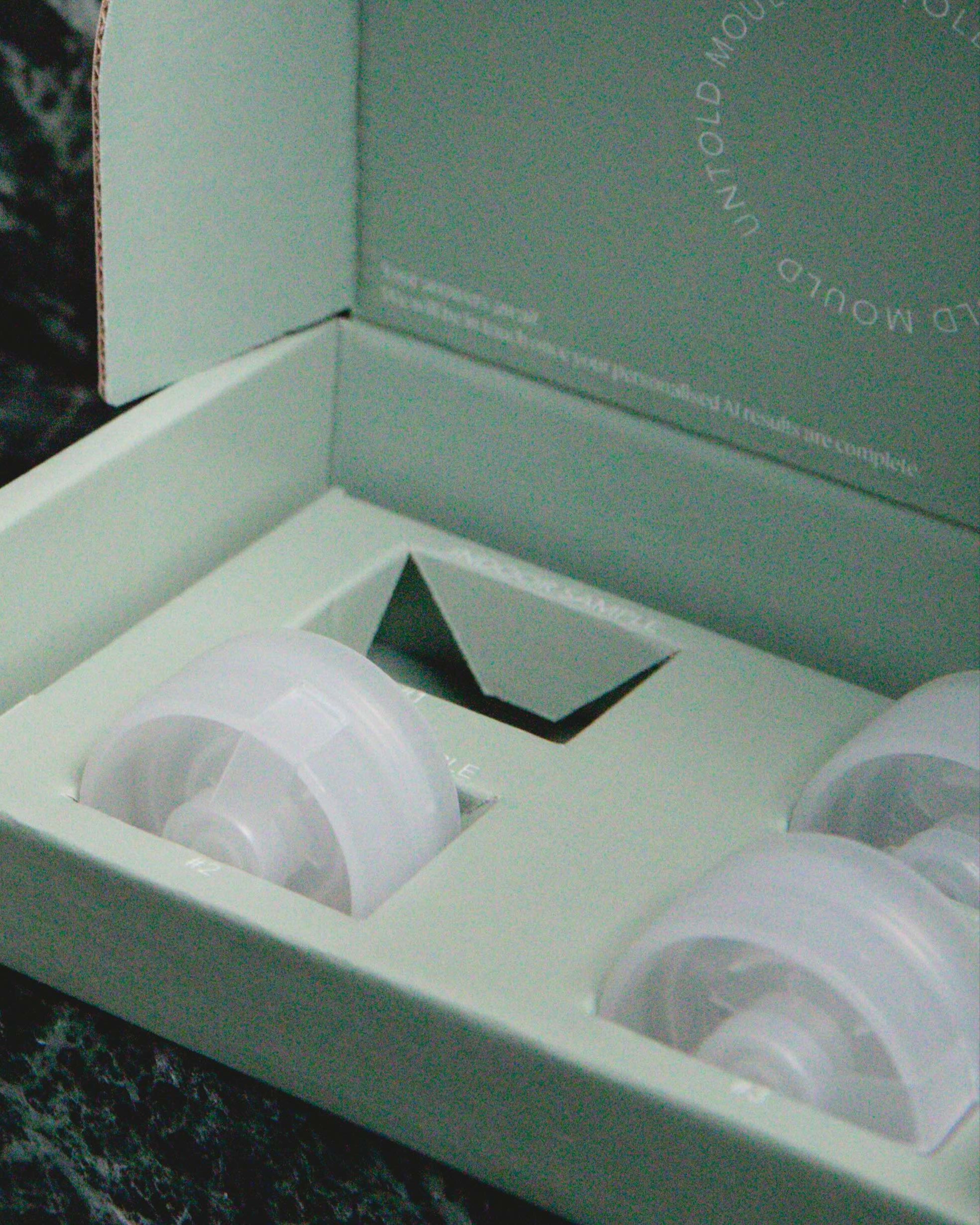
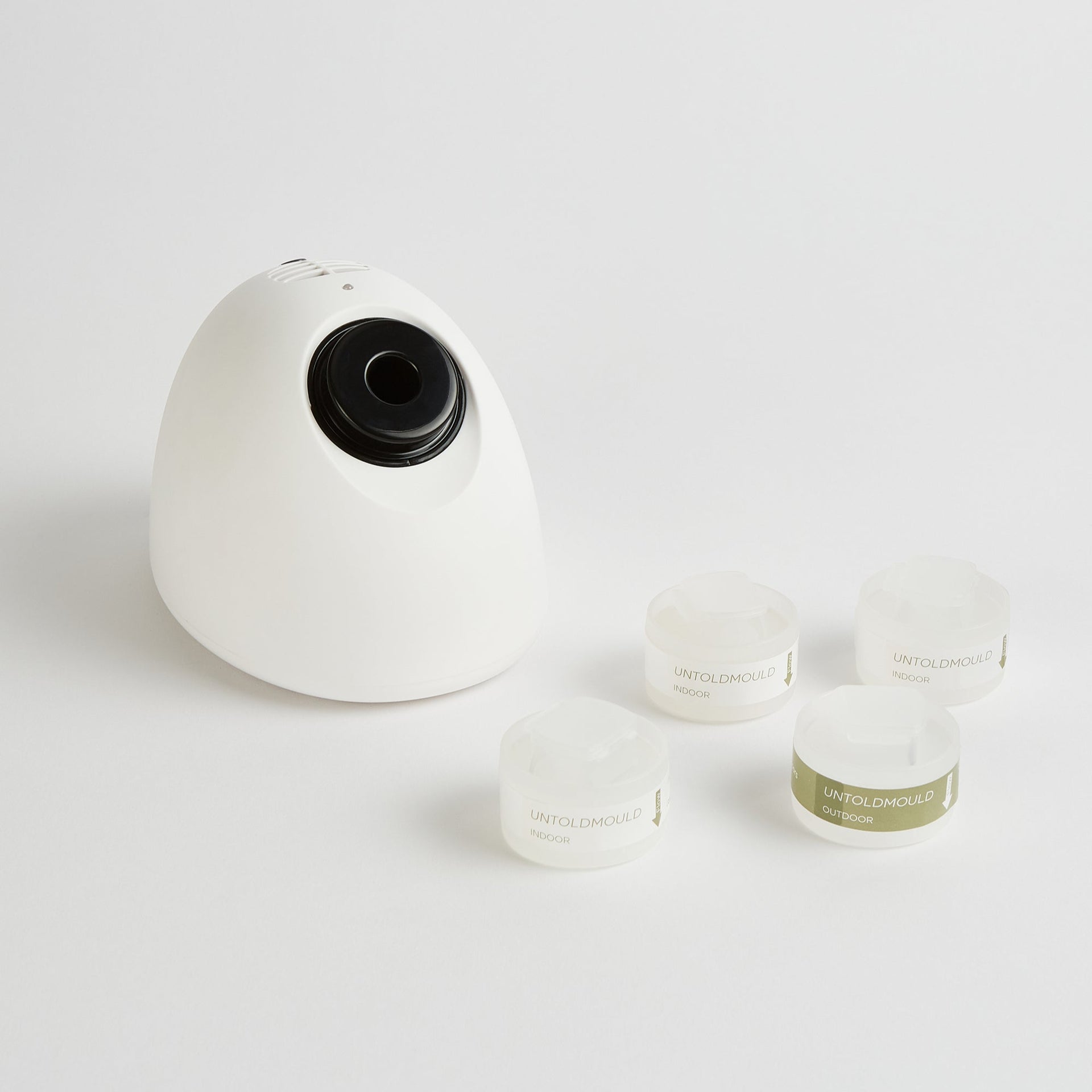
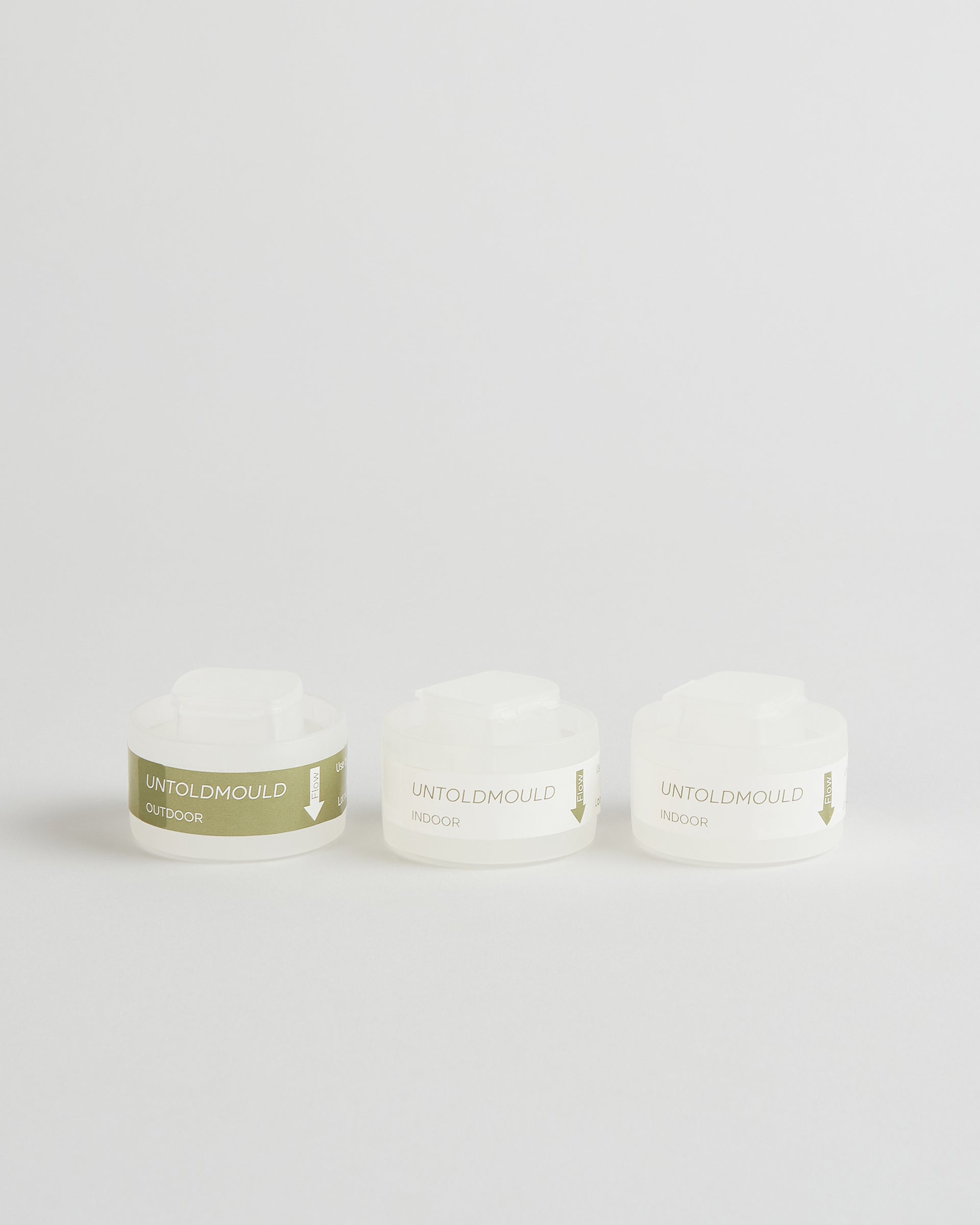
If you suspect you already have a mould problem, we’d highly recommend that you test your home for mould using our home mould testing starter kit.
Our starter kit allows you to test up to three rooms, with refill cassettes available for purchase. It’s easy to use, and within 3 days of us receiving your cassettes back, you’ll receive an AI-powered lab-assisted mould report that’s easy to understand.
Use a mould remediation system
Simply cleaning or painting over black mould won’t help, but by using our portable mould remediation system, you can fight mould easily, one room at a time.