Practical guidance and mould advice for parents in the UK
As a parent in the UK, you’ll be worrying enough about conditions outside of the home that you may forget about the key hidden danger in your home: mould.
We’ve talked about how to spot mould before, but here’s a brief recap: An earthy, damp, musty smell and visible black or green spots on walls and ceilings.
With UK winters being extremely wet, mould is a serious threat in the UK as it affects around 50% of homes here. It doesn’t just look and smell bad; it can pose a serious threat to your kids’ health when exposed to mould for long enough.
As parents, we want our homes to be safe and healthy for our little ones, and what happens inside our homes is totally within our control.
This is why we’ve put together our parents’ guide to a mould-free home.
Why should I be worried about mould?
It’s a common misconception that mould is caused by a dirty house. In fact, you can have a home as sparkling as Buckingham Palace, and it’ll still be at risk of mould growth, because mould is caused by one thing: moisture. And being such a wet, humid country, we have an abundance of moisture, hence the high risk of it growing.
Mould awareness has increased over the last few years due to the tragic death of Awaab Ishak, who died as a result of a mould in his family’s home, leading to the creation of Awaab’s Law - new rules for housing associations to ensure they address damp and mould issues quickly.
It has made the government, us and the whole of the UK more conscious about the fatal nature of mould.
It is especially dangerous for children whose lungs and immune systems aren’t fully grown yet, meaning that mould has been linked to:
-
Allergic reactions
-
Respiratory illnesses
-
Asthma attacks
What causes mould at home?
Before you can prevent or treat mould, you need to understand what it is and what it’s caused by. We’ve gone into this in more detail in other blogs, but to give you a quick recap:
Condensation
Just moisture in general, really. From drying clothes inside the house, moisture from cooking, and even just breathing, can cause condensation to build up on walls and around windows.
Damp
This is caused by outside elements, including water rising from the ground, cracks around window frames, and gutters leaking.
How to prevent mould and keep your children safe
We can’t control British weather; if we could, mould might not be such a serious problem in the UK. We can, however, take preventative measures to control moisture and prevent mould growing inside our homes:
Morning ventilation
Humidity naturally builds up from your family breathing in their sleep, and you need to let that stale air out of the home. We’d recommend cracking your bedroom windows open for a short while each morning.
Change how you dry clothes
As a parent, washing clothes seems like an endless task, and you’ll often run out of space on airers, so it can be tempting to dry clothes on radiators, but this isn’t a great choice.
Drying clothes on radiators is one of the main causes of mould growth. Instead, we’d recommend drying your clothes outdoors (even if it’s cold, as long as it’s not raining). If it’s wet, you should dry your clothes in a small room like the bathroom, with the extractor fan on, the door shut, and the window open.
You can also dry clothes in a more open room, as long as you have an advanced dehumidifier and air purification system.
Close doors to hot rooms
We’d recommend ensuring that you keep doors to the bathroom and kitchen closed when you’re showering or cooking, as well as ensuring that your extractor fan is on because steam is moisture and moisture creates mould.
Let your walls breathe
Mould thrives in dark places with little air circulation, which is why all furniture should be a couple of centimetres away from walls.
Safe mould removal methods
If you’ve spotted visible mould in your home, you need to remove it as soon as possible to keep your family safe. There are a couple of different ways you can remove mould from your home:
Natural mould removal
If you don’t want strong bleach near your children, as it can also be harmful to breathe in, you can remove small patches of mould with everyday ingredients.
Simply mix a solution of 1 part white vinegar and 1 part water in a spray bottle and spray the affected area. Leave the water and vinegar solution on the wall or ceiling for an hour, then you can wipe clean with a damp cloth.
Heavy mould removal
If mould has been left to grow over time, you may need to take a heavier approach using cleaning solutions that you can buy from most major supermarkets like Waitrose.
Cillit Bang and Dettol both offer mould removal spray, which you can use in the same way as a natural mould removal spray but they’re not the most effective
When using these potentially harmful chemicals, we’d recommend doing it with the windows open and when your kids and pets are out of the house.
Unsure if you have mould in your home?
If you can smell something funky or earthy in your home, but you know it’s fully clean, it could be a sign of hidden mould.
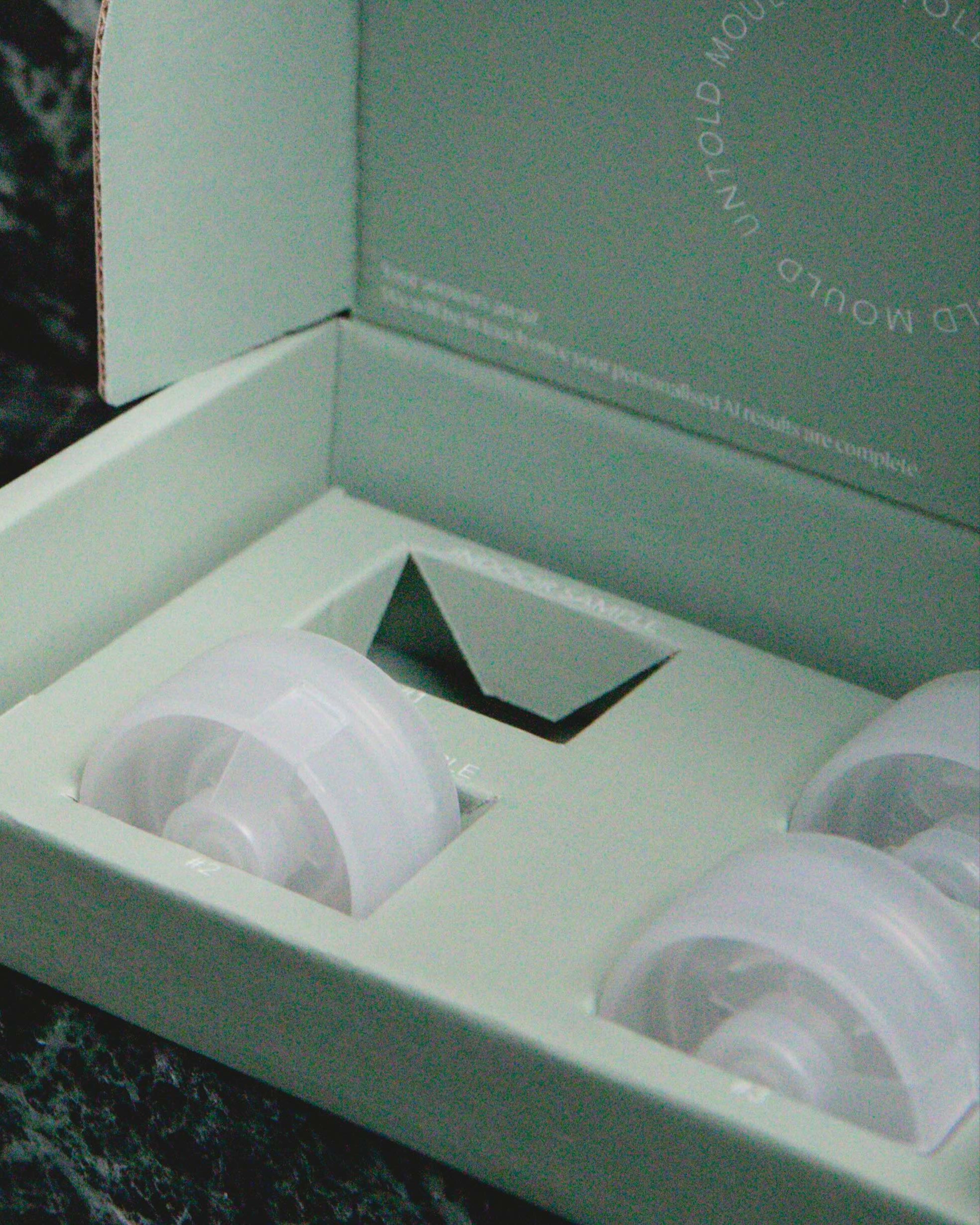
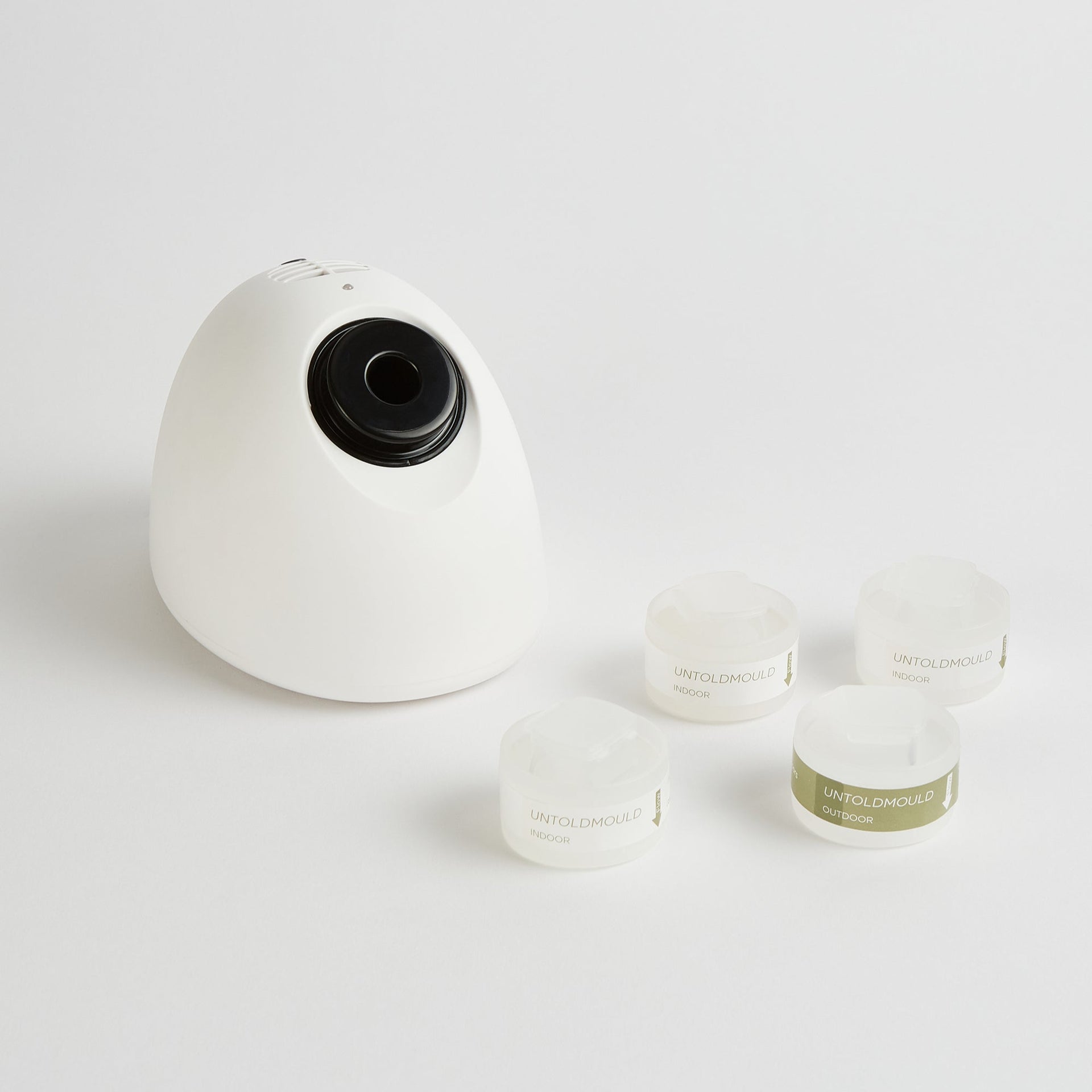
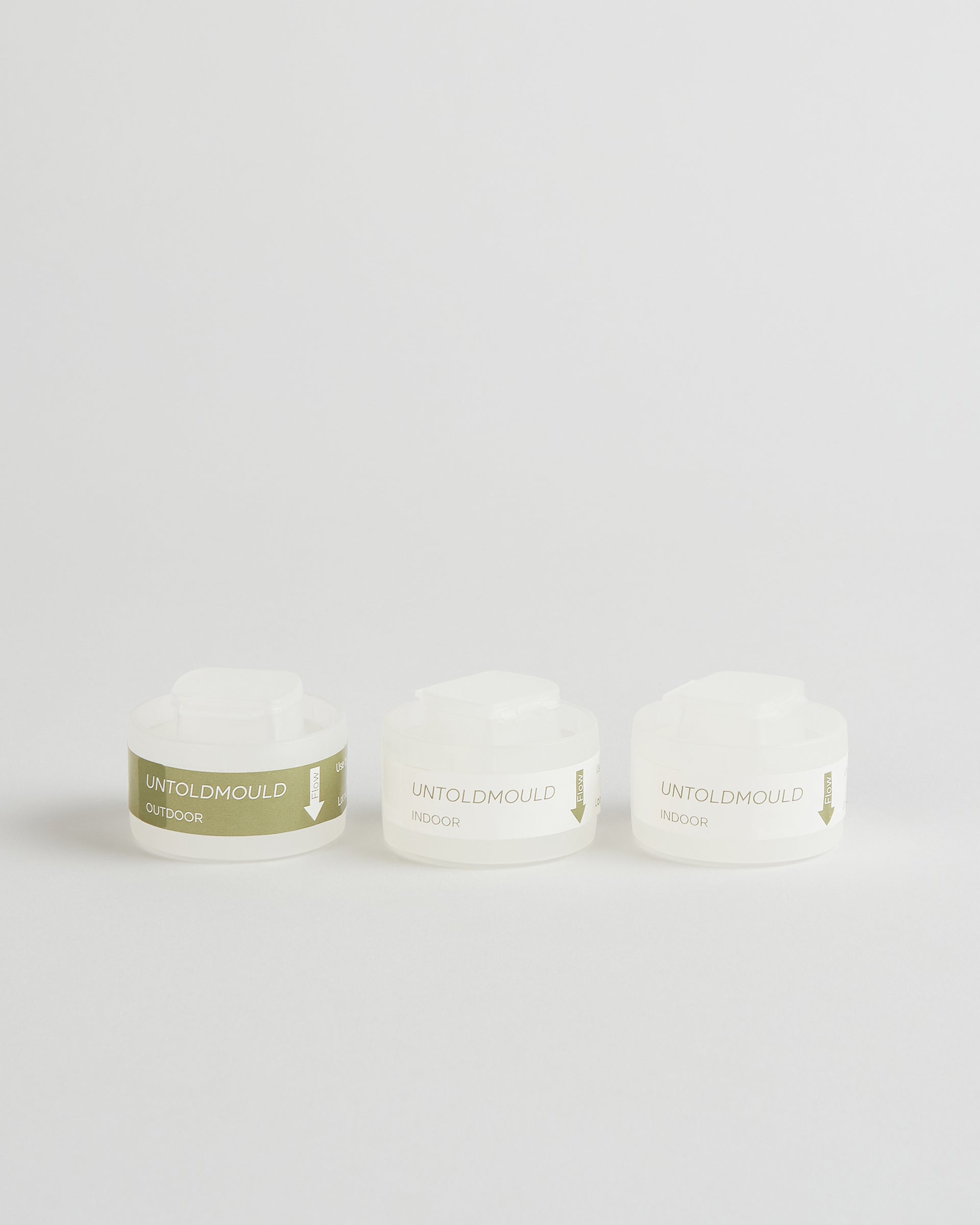
In which case, we’d recommend testing for mould using our Untold Mould testing starter kit, which will tell you exactly what hidden spores are in your home and the air.