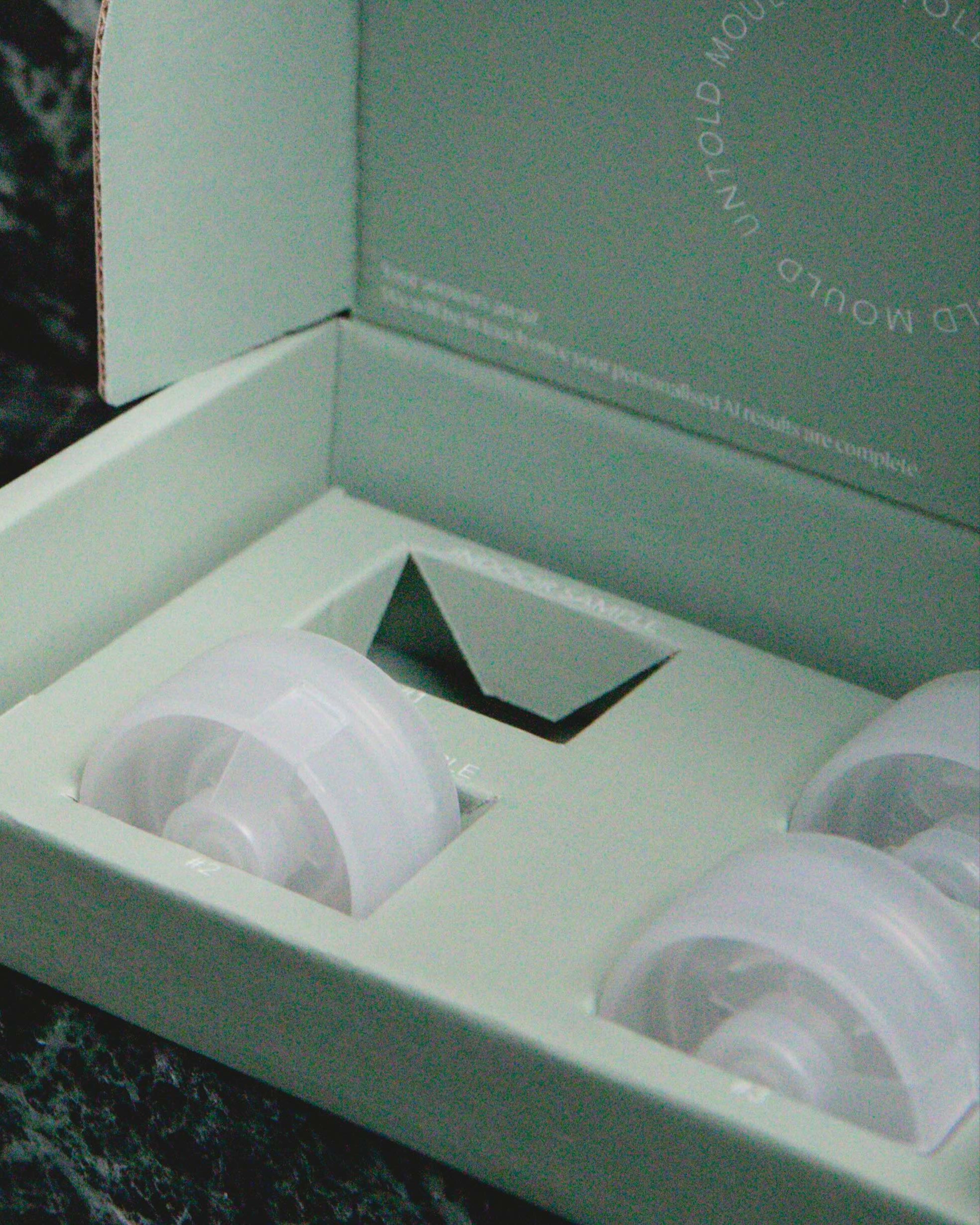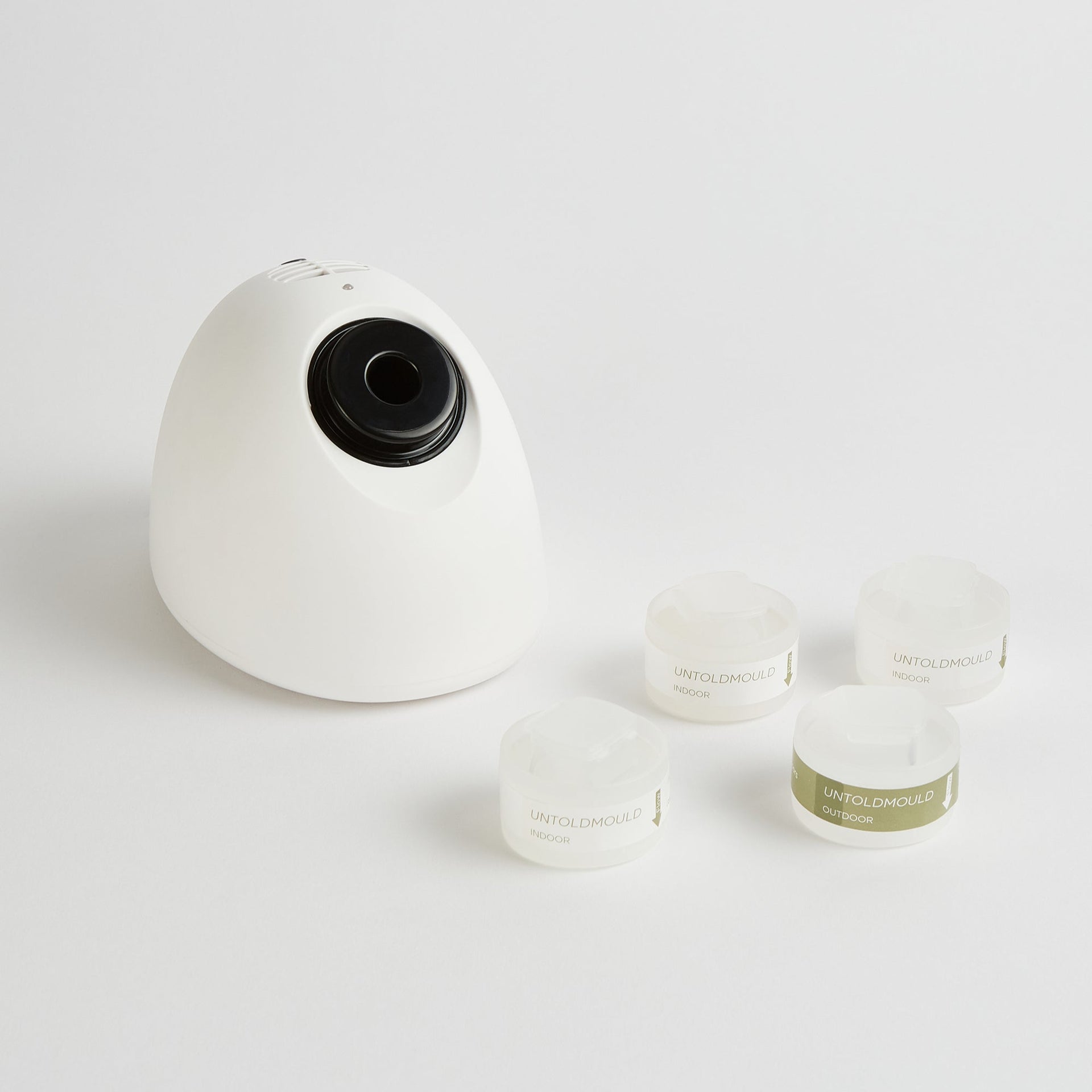
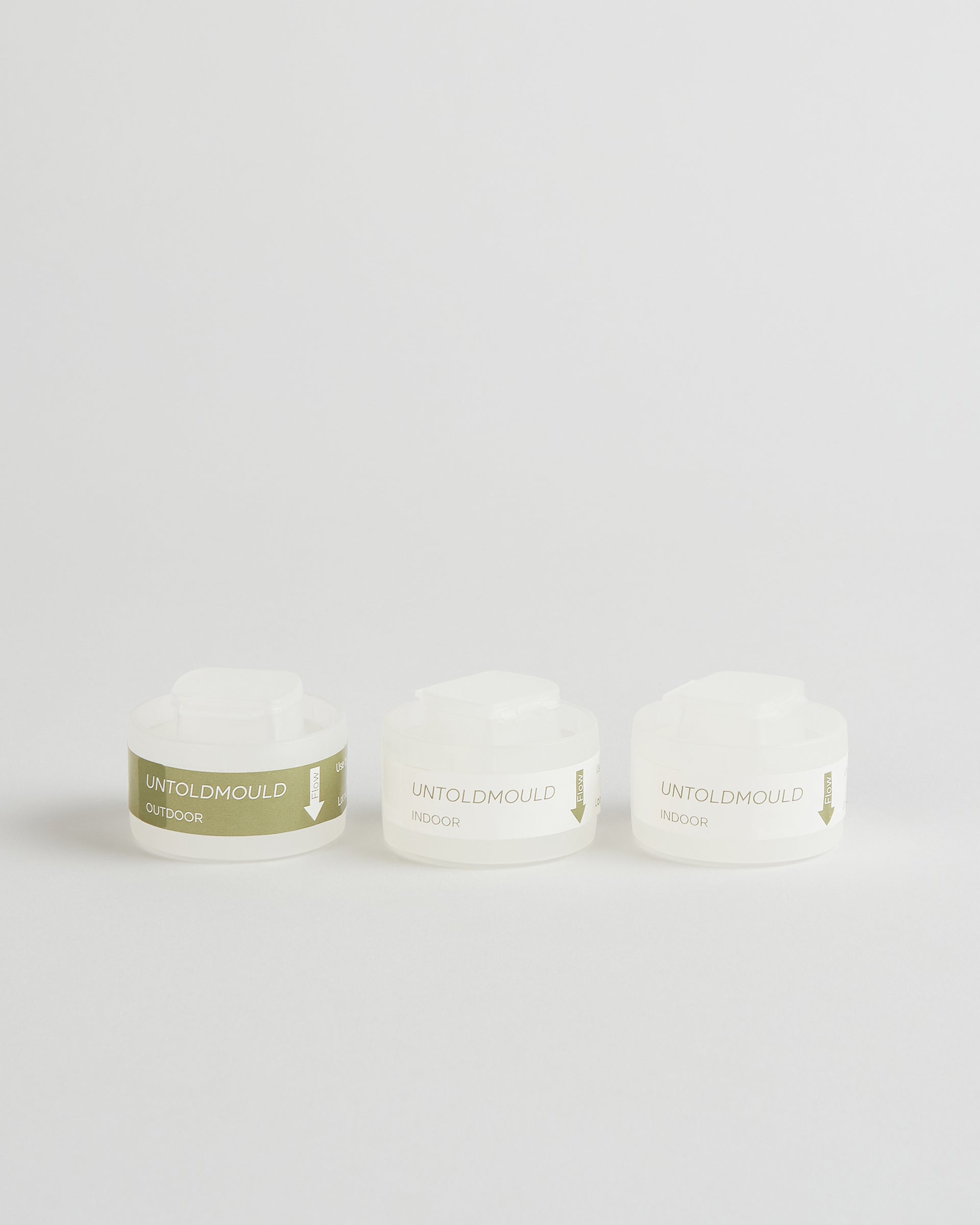
So you’ve got an Untold Mould testing kit, which has shown high levels of mould in your home. But what’s next? Here’s our recommended action plan.
Discovering mould in your home can feel like a slap in the face. You’ve worked extremely hard to put together your dream home, you spend hours cleaning and tidying to keep everything hygienic, and yet mould still grows.
Don’t panic, though, because mould isn’t a sign of your house being unclean. There are multiple factors that can cause mould in your home. Whether you’ve just got a small patch of visible mould, or hidden mould that you can’t see, we’re here to help advise you, as mould isn’t forever.
Before we get into the advice part of this, you probably want to know how to quantify what a high level of mould is.
What is a high level of mould?
So you’ve received your Untold Mould report, and it just looks like a blur of charts and numbers. Don’t worry, though, it’s not that difficult to understand once you know how!
Mould is everywhere in the atmosphere, and not all types of mould are harmful. Our report will tell you which spores are and aren’t toxic. But what does a high level of toxic mould spores look like?
Mould spore counts exceeding 1000 cubic metres
If your mould report shows mould spore counts of common mould like Aspergillus or Penicillium that are between 1,000 and 5,000 cubic metres, it’s a sign that mould has spread, and you need to take action.
Zero tolerance for black mould
Any amount of black mould (Stachybotrys chartarum) is toxic, so if your Untold Mould report shows any signs of black mould, you need to take immediate action, as this could cause severe respiratory issues, especially in young children.
High ERMI scores
If your Environmental Relative Moldiness Index (ERMI) score is above 5, it’s a sign you have a rapidly growing mould problem in your home.
Our five step mould action plan
Now that you understand what a high level of mould is, it’s time to put a plan in place. We’ve put together this five step mould action plan, which will tell you how to tackle mould, starting with technology, all the way to professional intervention.
1) The tech approach: a HEPA+ Pro Mould Remediation System
Your first line of defence should be a DIY solution, as long as the mould spores in your home haven’t reached astronomical levels, and you don’t have a problem with black mould.
Our HEPA+ Pro Mould Remediation System focuses on scrubbing the air of mould spores that are larger than 0.3 microns, and uses a medical-grade filter to vacuum in mould spores, without allowing them to spread further.
2) The deep dive: Eliminate moisture sources
Mould growth is caused by excess moisture. If you’ve been reading our articles or following us on social media for a while, you’ll be aware of this.
If you’ve detected mould in your home, the key is to find out where it’s coming from, so you need to identify the moisture source and stop it.
There are three things you can do:
- Firstly, check behind appliances and underneath radiators for any hidden leaks.
- Secondly, use a dehumidifier to try to keep indoor humidity below 50%.
- Thirdly, make sure that your kitchen and bathroom extractor fans aren’t blocked and are blowing moisture outside, instead of back into your home.
3) Escalation: Professional mould inspection
If you’ve run another test and the combination of a Hepa+ filter, fixing leaks and lowering humidity hasn’t reduced your indoor mould levels, it’s time to escalate.
This means it’s time to call a professional mould inspector. Armed with your Untold Mould test results, they’ll be able to use professional equipment like thermal imaging and a moisture metre to tell where the mould is coming from, and whether you have structural damage.
4) The big job: Professional mould remediation
If your mould problem isn’t going away, regardless of what you try as advised by us and a professional mould inspector, you might need further intervention, especially if the mould has penetrated your walls and floors, and is effectively “eating away” at your home.
This is extreme and will only be necessary in the rarest of cases, but it may involve you having to vacate the property for a period of time.
The worst cases of mould will mean your home needs to undergo negative pressure containment, where it is sealed off, removing and replacing porous materials that have been affected by mould growth, and ultimately removing the mould and contaminated materials to ensure it doesn’t come back.
5) Aftercare: Post Remediation Verification
This is the most important step once any professional mould remediation work has been completed. Without trying to encourage distrust, you should always verify that your home is back to safe levels yourself.
This means that after the work is complete, you should run another Untold Mould test in each room that’s been affected, to verify that your mould issues have actually been fixed. If you’re still having issues, it might be time to have a word with your professional mould remediator.
How to stop mould from returning to your home
Now that you’ve run another Untold Mould test and have proof that your home is free of harmful mould, how do you stop mould from returning?
We’ve written a handy guide aimed at parents on how to prevent mould from growing in your home.
If you’re reading this as you suspect you have mould in your home, we’d recommend testing your home for mould with an Untold Mould home mould testing kit, and save this article for later in case you may need it!