Mould is everywhere in the environment and can play a positive part in breaking down organic matter outdoors, but it’s the last thing we want in our homes.
When mould grows in our homes, it not only looks unsightly and causes an unpleasant smell, but it’s also harmful to you and your family.
With approximately one in five homes in the UK suffering from a mould epidemic, yours could be part of that statistic, so you need to be aware of the risks to your health.
Which is why we’ve put together this ultimate guide to mould and your health. We want to educate you on the harmful nature of mould and how you can test your home for mould to see whether danger lurks.
The science: how mould affects your immune system
Back in June, we spoke to Dr Peter Cook, an immunology expert, to get a better understanding of his work on the relationship between mould and our immune system.
Dr Cook’s research shows that whilst mould is everywhere in nature, the real issue is the concentration of mould spores we breathe indoors. He and his team have identified that our immune system starts to work overtime within just 12 hours of mould spores beginning to germinate.
For regular, healthy people, this may just trigger a mild allergic response, but for young children, the elderly or those with pre-existing conditions like asthma, it can be much more dangerous.
The culprit: What is black mould?
Not all mould is the same. Whilst some strains may just irritate our immune system, black mould can be extremely dangerous.
In a recent article, we explored what black mould is and why black mould is so harmful to our health. Unlike common mould and mildew, black mould is a harmful, toxic strain of mould that can cause illness in even the healthiest of people. Long-term exposure to black mould is linked to severe respiratory issues, fatigue and in rare cases, death.
Hidden mould: What to look out for
Mould isn’t always immediately obvious. You may start to feel ill, without actually seeing mould on your walls, and all of your regular cold remedies don’t work.
The human body acts as a warning system in itself, and you should always listen to your body. If you or your family are persistently suffering from any of these symptoms, it could be a case of mould hiding behind furniture or wallpaper.
Protecting the vulnerable: Children and mould
Whilst everyone is at risk of getting ill from mould, children carry a much higher risk than adults, as their bodies and lungs are still developing.
If your child has a persistent cough that won’t go away, regardless of how much cough syrup and home remedies you’re trying, it could be a sign of something bigger and nastier in your home.
You should particularly keep an eye on whether their cough goes away during prolonged periods outside of the house, like at the park or school, or a weekend at grandma’s house, and then comes back when they return home.
Mould prevention: A parent’s guide
Once you understand the risks that mould presents to your children, you can start to take preventative measures or action, if it’s too late.
There are several practical steps you can take in order to beat mould, before it starts to grow in your home, including regular cleaning, fixing leaky pipes, and ensuring your home is well-ventilated.
Your home: your sanctuary
Your home should be a sanctuary and a safe place for your family, not somewhere you risk getting ill. Whether it’s a bad smell, constant coughing, or tiredness you can’t shake, mould could be the cause.
It’s important to be vigilant when it comes to mould, so you can take action if yours is one of the many UK homes that’s affected.
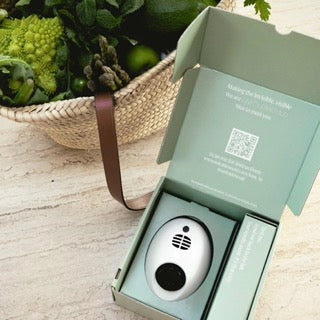
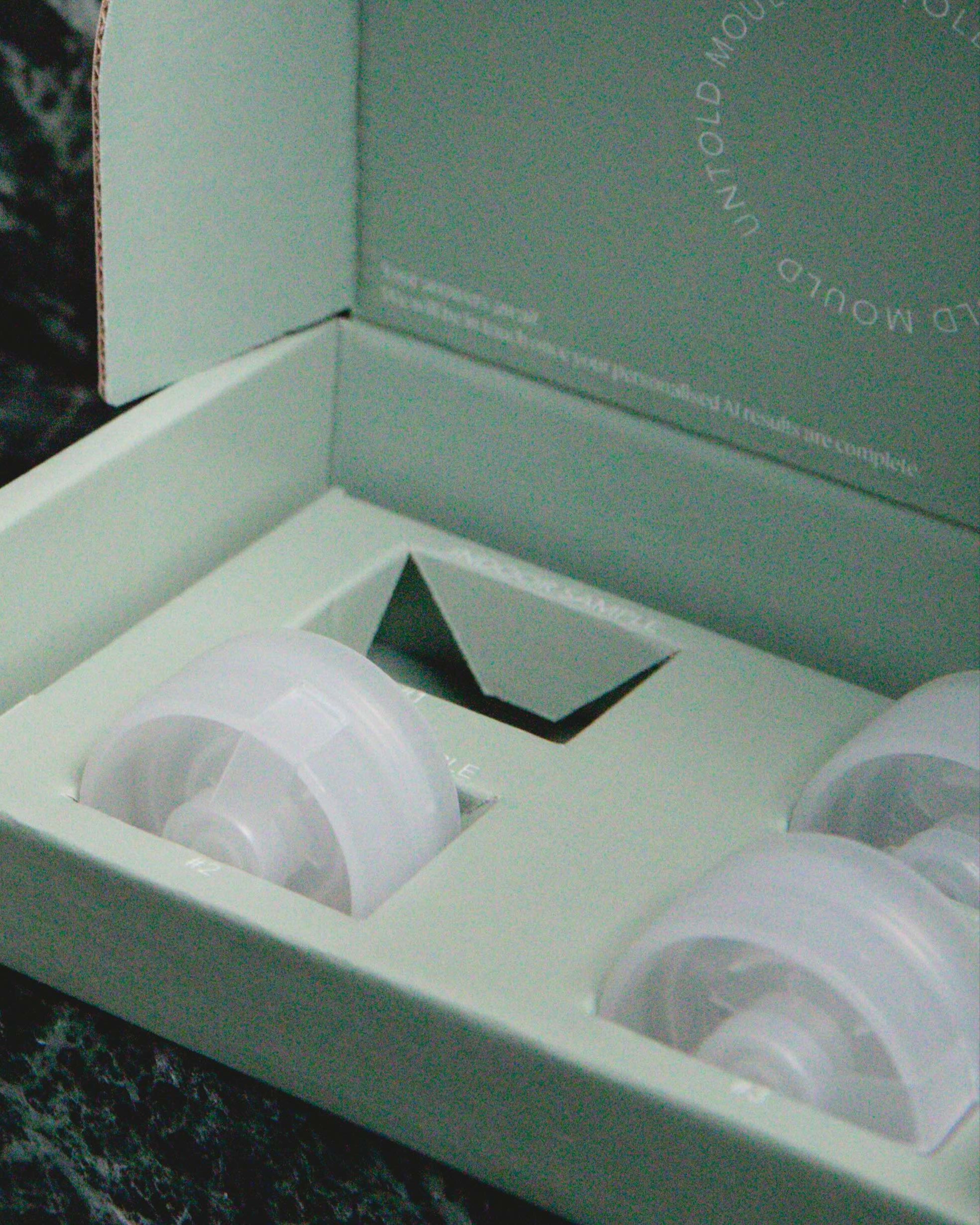
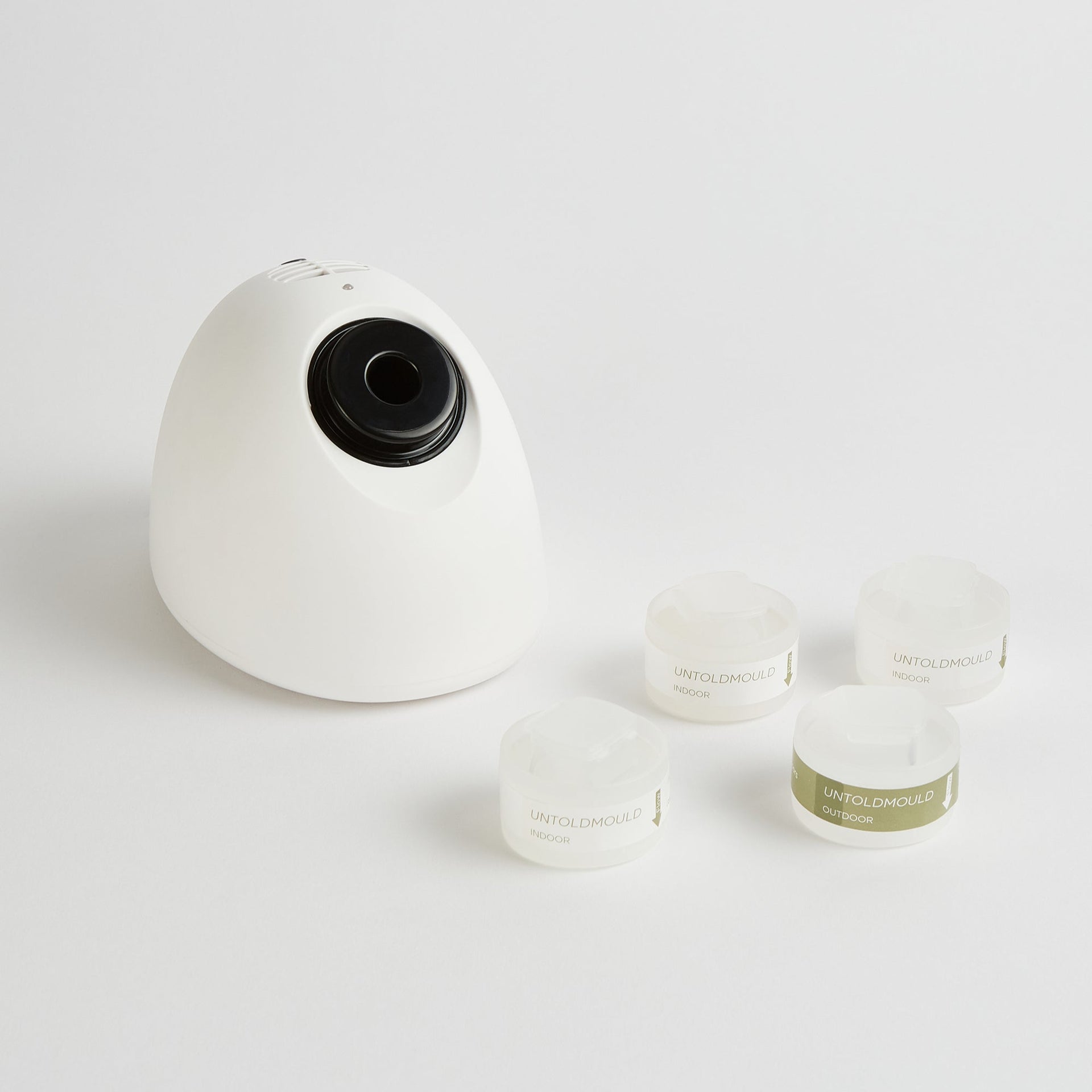
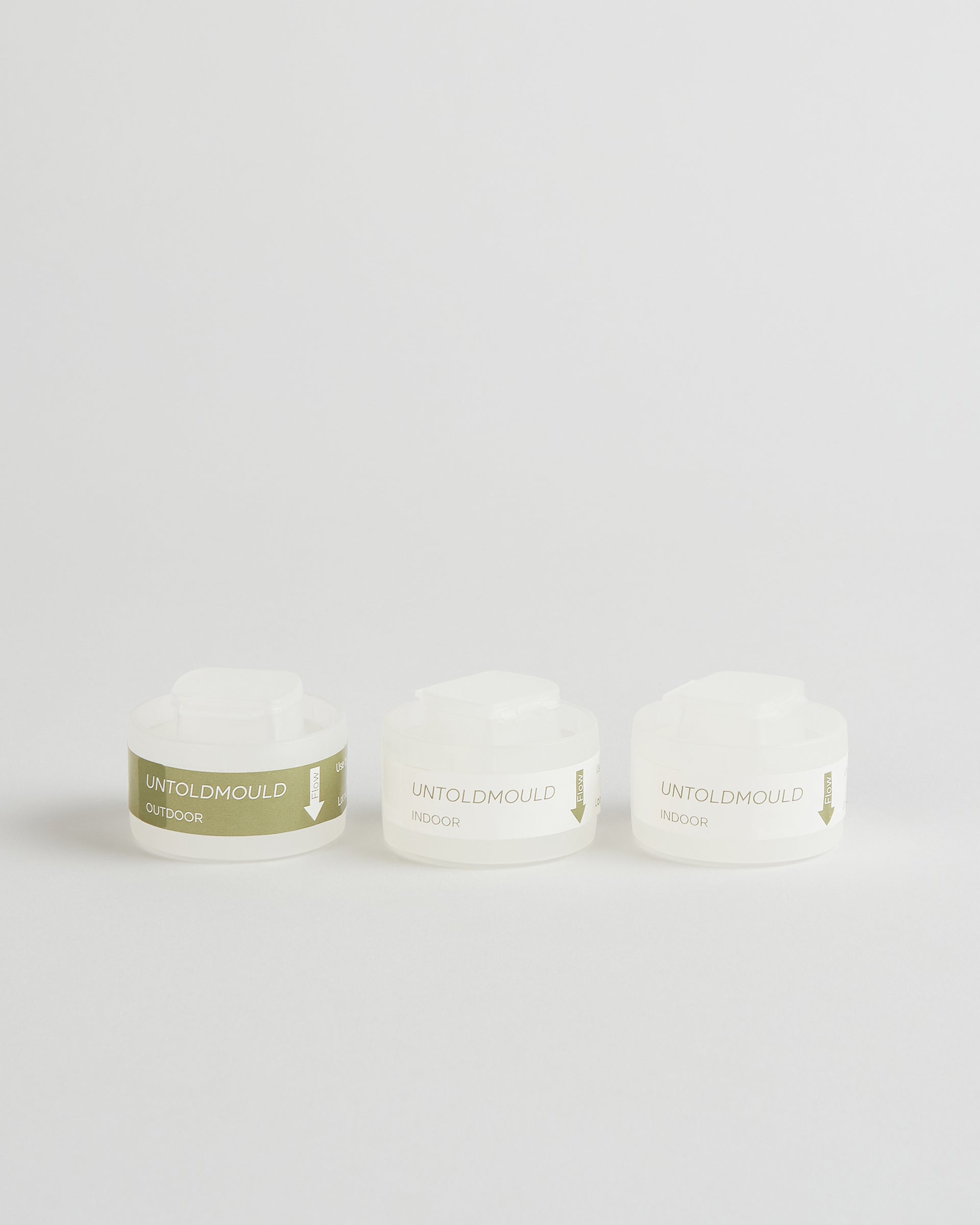
This is why we’ve created the Untold Mould mould testing kit. Our handy, simple-to-use device only takes 30 minutes to test, and you’ll receive a full mould visibility report within 3 working days of your mould testing cassette reaching us.
If you’re worried about mould in your home, visit our online shop.